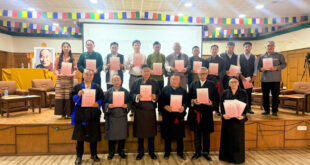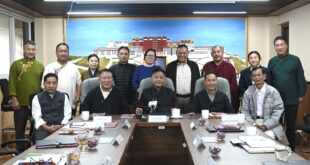
Geneva: On 16 April 2026 Geneva, a group of UN Special Rapporteurs from the United Nations raised serious concerns about China’s newly adopted Law on Promoting Ethnic Unity and Progress, which is scheduled to take effect on 1 July 2026. While the law is officially intended to strengthen national unity and social cohesion, UN experts warn it may undermine fundamental human rights, especially for ethnic minorities.
The law reflects a broader policy shift in China toward prioritising a unified national identity over ethnic diversity. This could significantly impact minority groups such as Tibetans, Uyghurs, and Mongols, despite existing constitutional protections for cultural and linguistic rights.
A key concern is the law’s vague language, including prohibitions against actions that “undermine ethnic unity.” The UN warns that such ambiguity could allow authorities to suppress freedom of expression, academic work, and cultural practices through broad or arbitrary interpretation.
Education provisions are also controversial. The law promotes Mandarin as the primary language of instruction, potentially limiting minority languages in schools. Experts caution this could erode linguistic diversity and weaken cultural identity, particularly among younger generations.
The law also raises concerns about cultural and religious freedoms. Policies encouraging the “Sinicisation” of religion and the transformation of cultural practices may place state control over spiritual and cultural life, potentially violating freedom of religion and belief. Additionally, measures promoting “integrated” communities could affect housing choices and social organisation.
Further risks include restrictions on freedom of assembly and association. Broad references to maintaining public order could be used to limit peaceful gatherings, cultural events, and community advocacy, creating a chilling effect among minority populations.
From an international legal perspective, the UN experts argue the law may conflict with China’s obligations under treaties such as the International Covenant on Economic, Social and Cultural Rights and the Convention on the Rights of the Child, which protect cultural participation, education rights, and non-discrimination.
The UN has requested clarification from the Chinese government on how the law will protect minority rights and whether affected communities were consulted. They also offered technical assistance to ensure compliance with international standards.
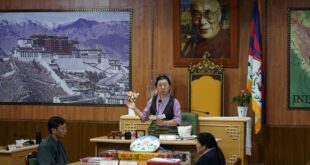
Responding to the development, Representative Thinlay Chukki, Tibet Bureau in Geneva, welcomed the UN’s communications. She described the law as a troubling move toward enforced assimilation and warned it could suppress cultural, linguistic, and religious diversity. She urged China to halt implementation and revise the law in line with human rights standards.
The communication was jointly signed by Prof. Nicolas Levrat (minority issues), Alexandra Xanthaki (cultural rights), Surya Deva (right to development), and Farida Shaheed (right to education). It was also signed by Irene Khan (freedom of opinion and expression), Gina Romero (freedom of peaceful assembly and association), Balakrishnan Rajagopal (adequate housing and non-discrimination), and Nazila Ghanea (freedom of religion or belief).
– Report filed by Office of Tibet, Geneva