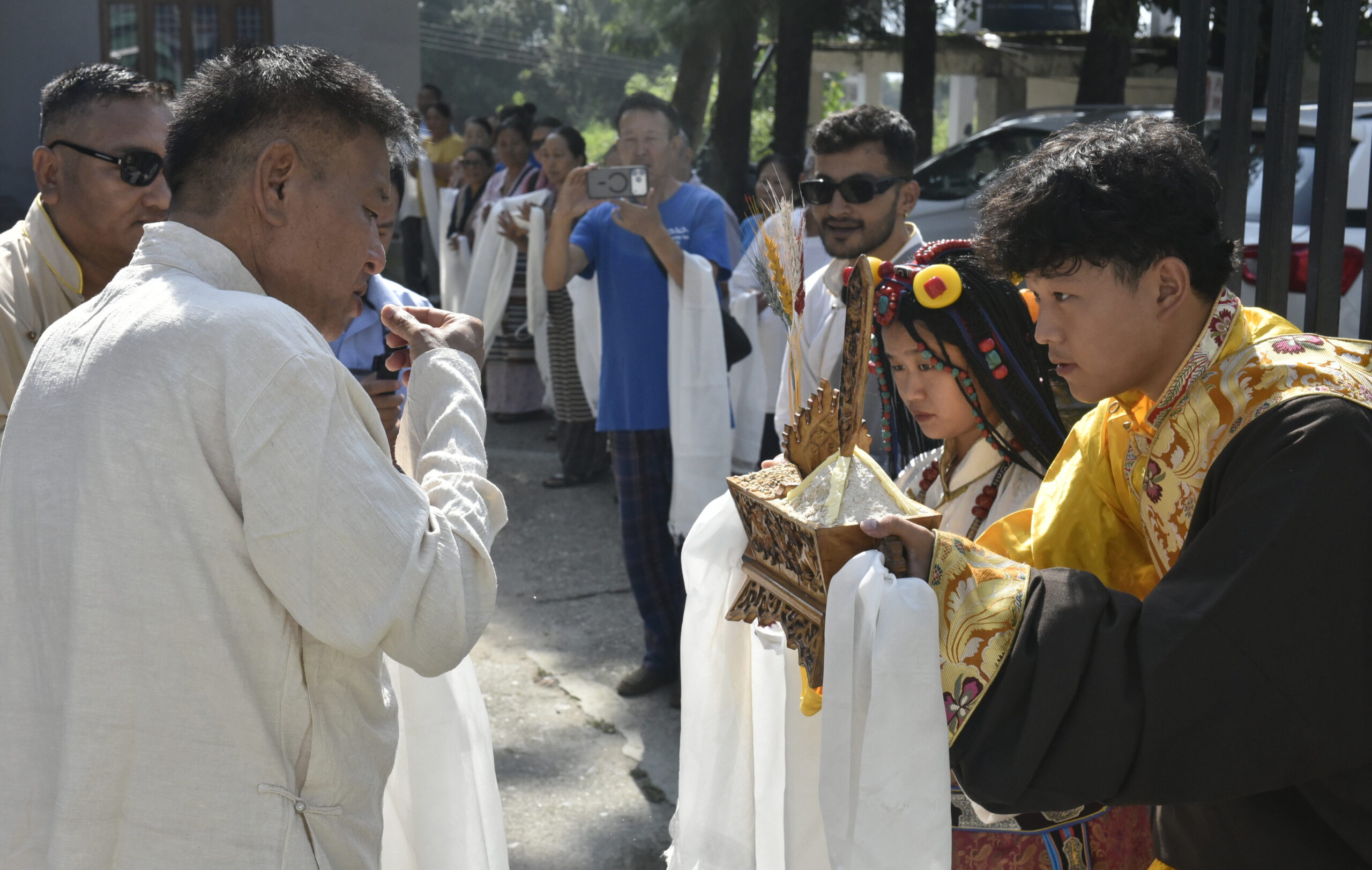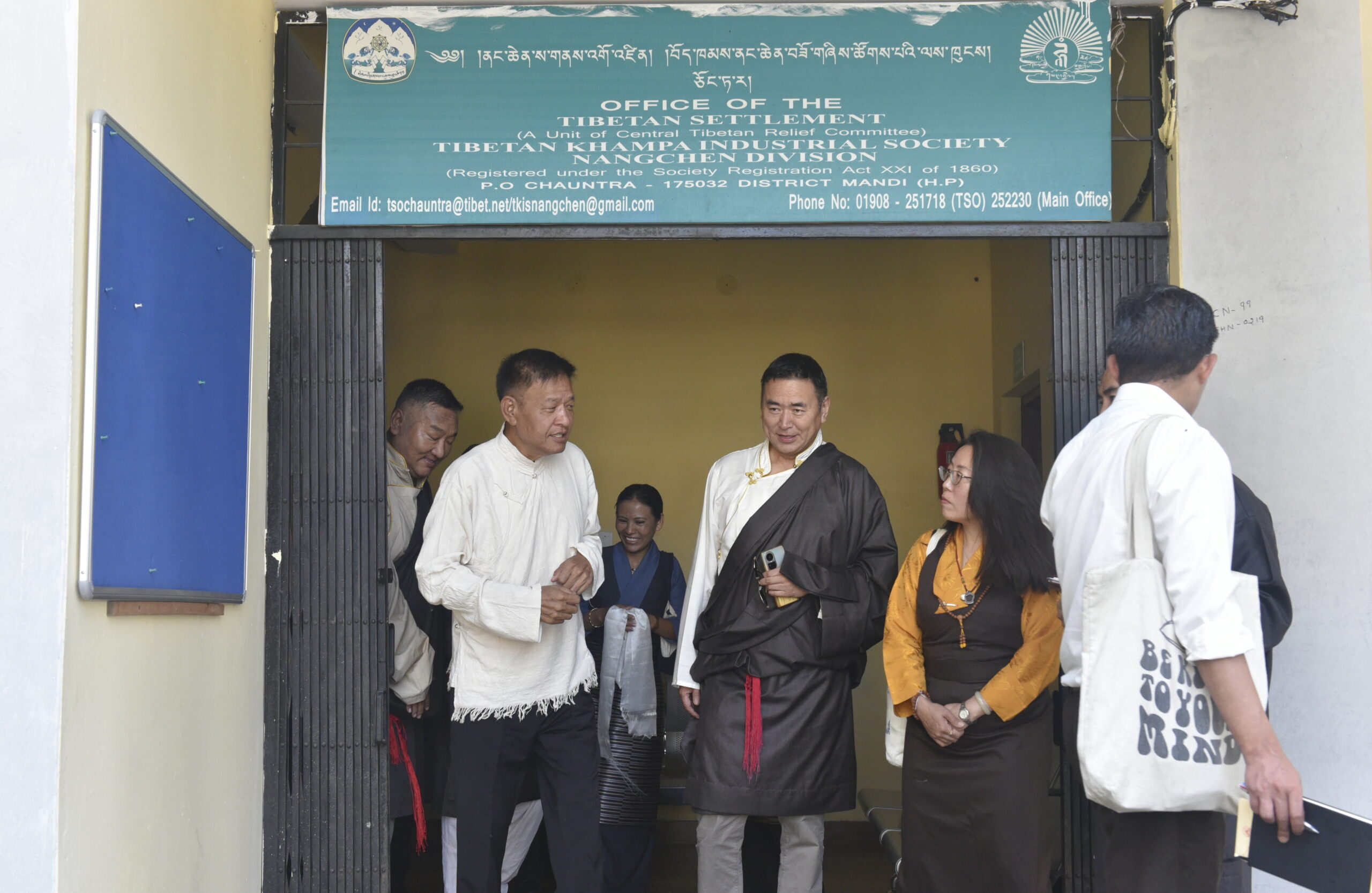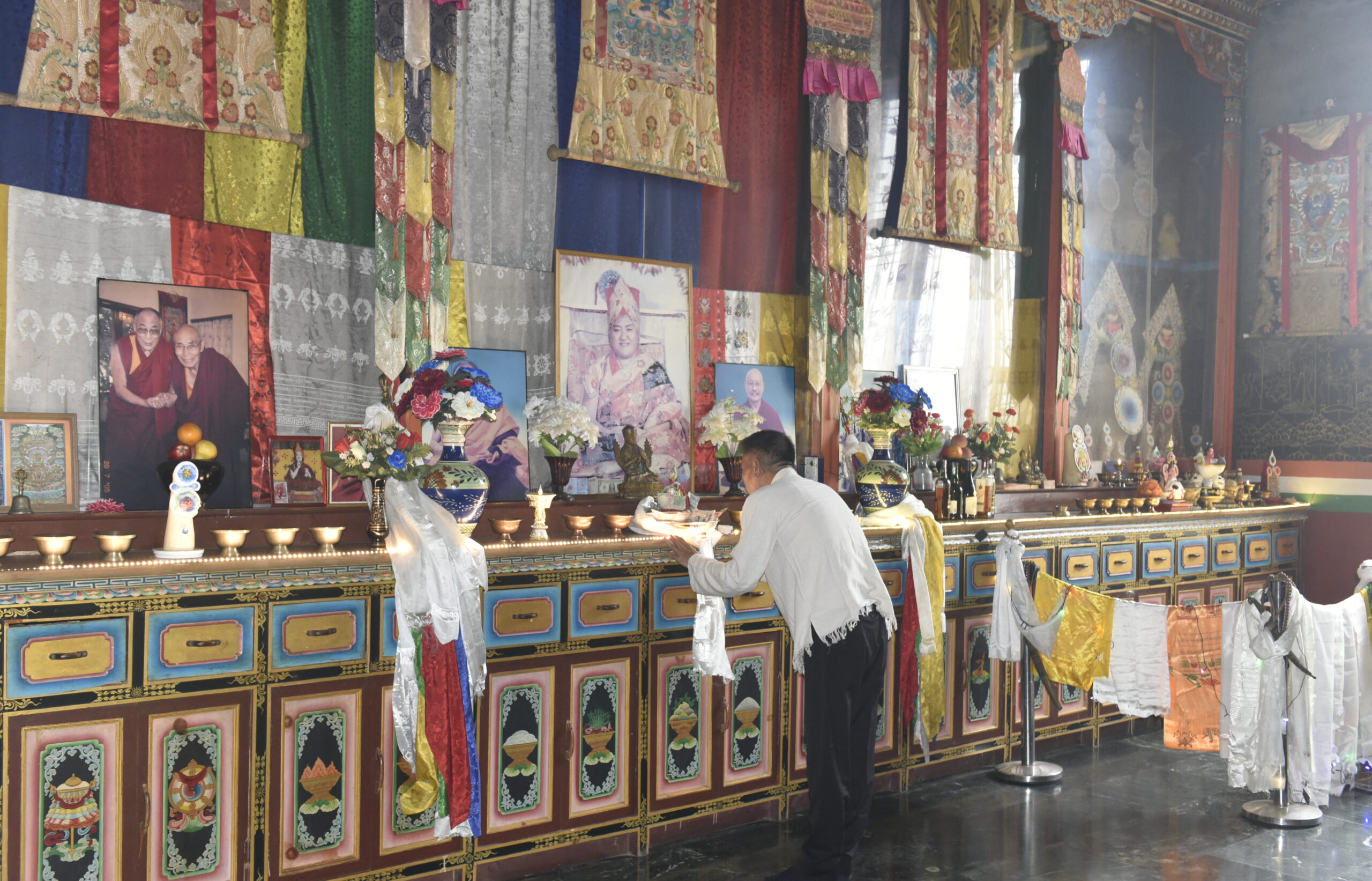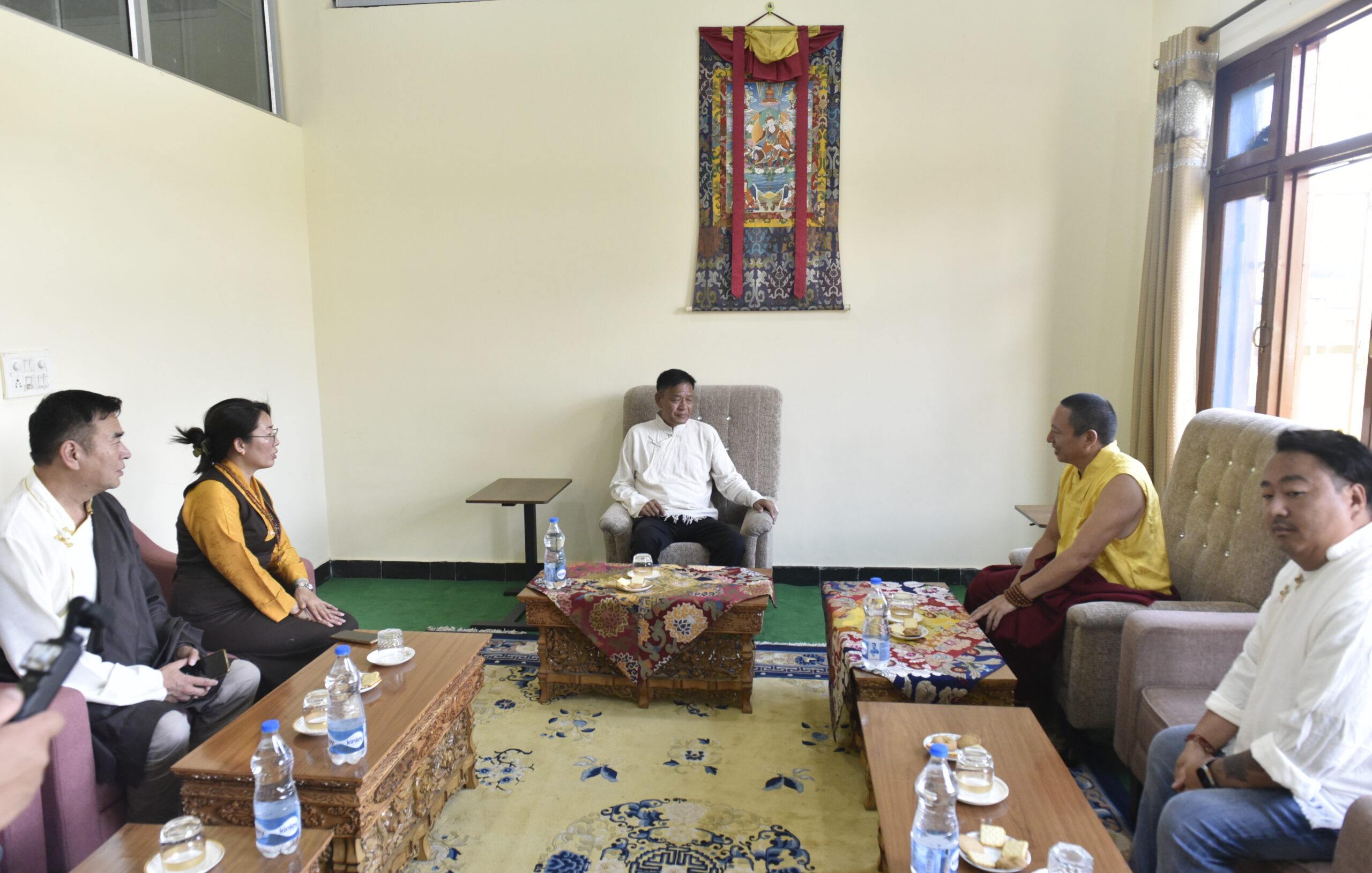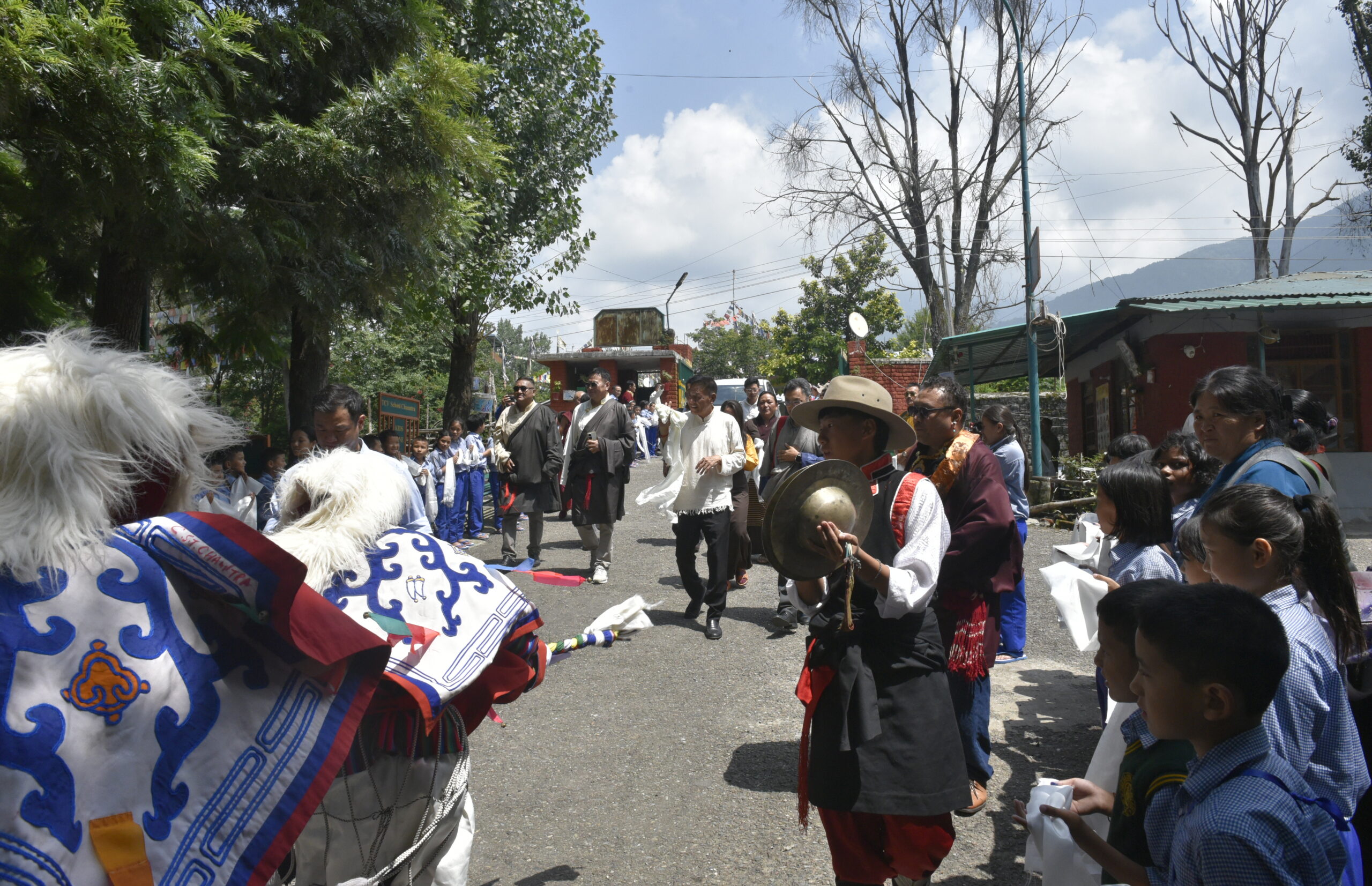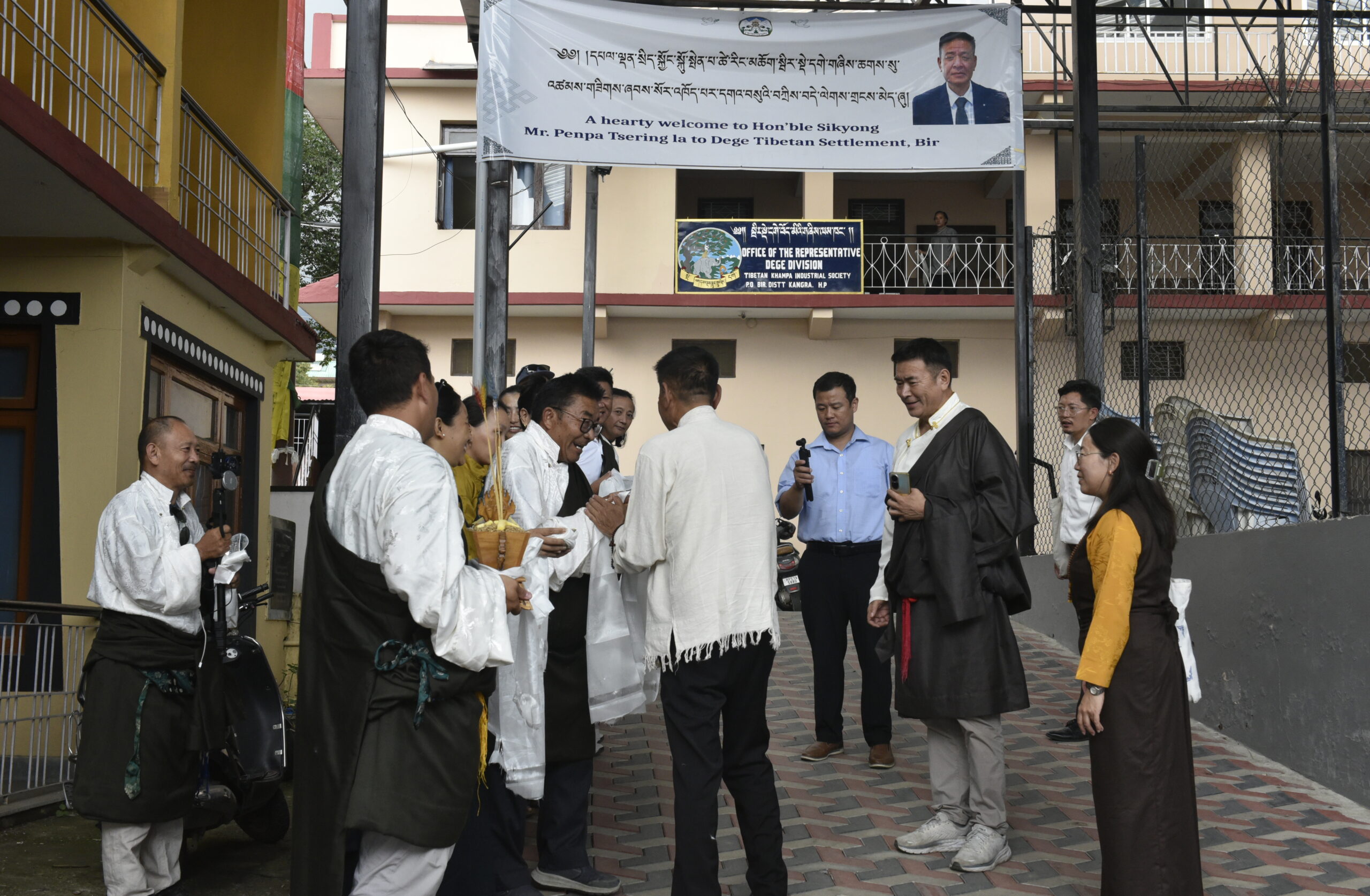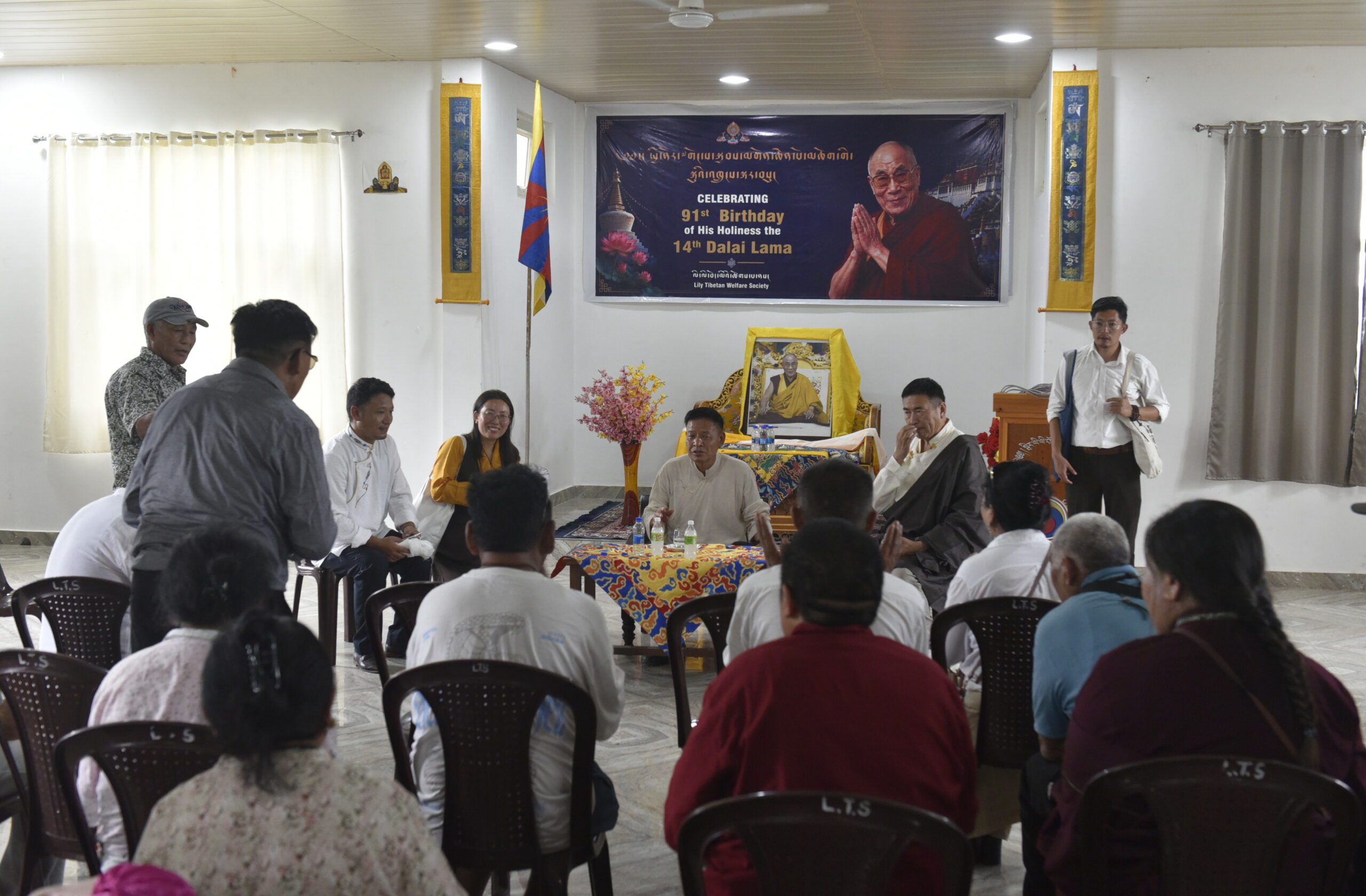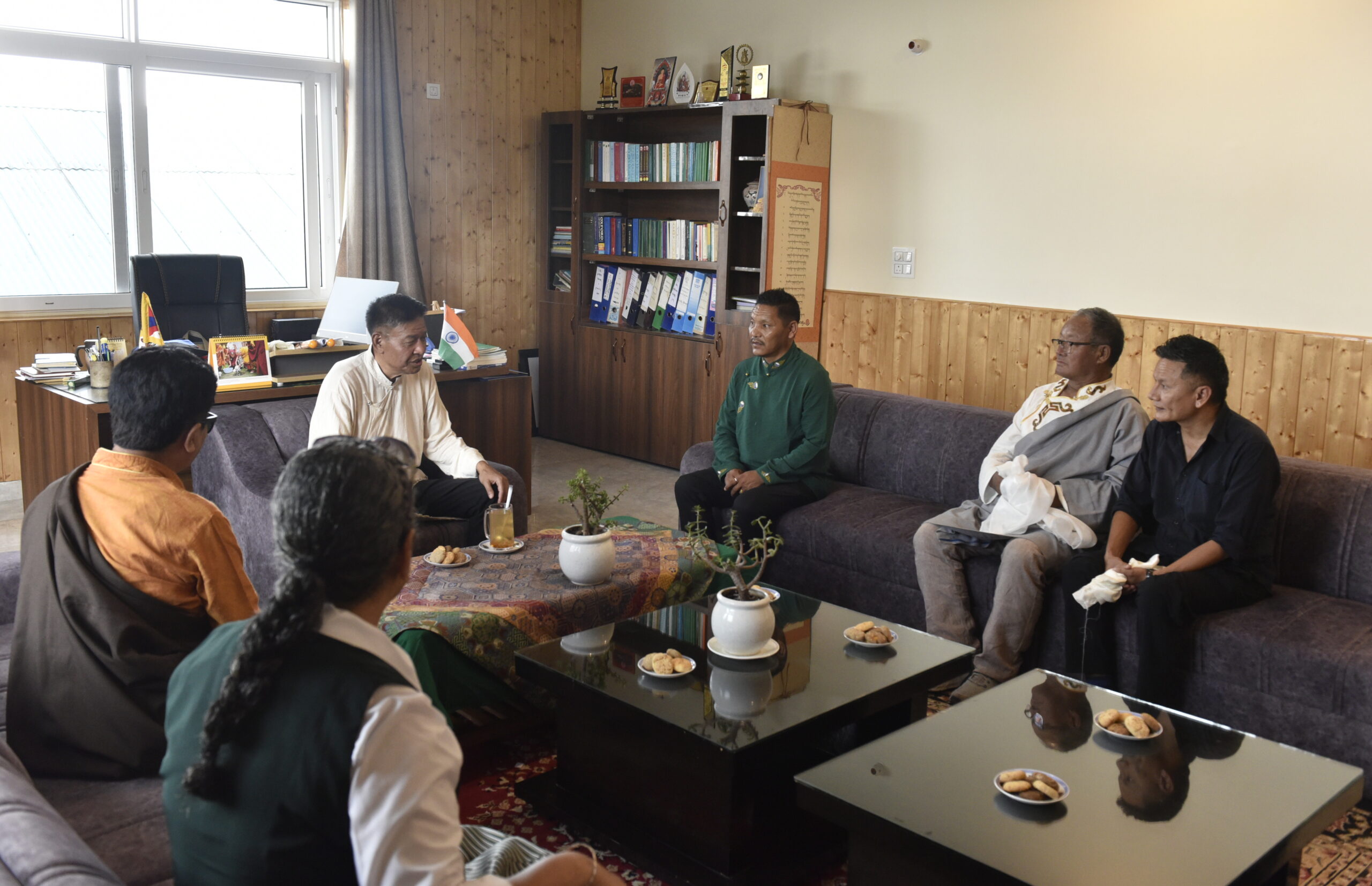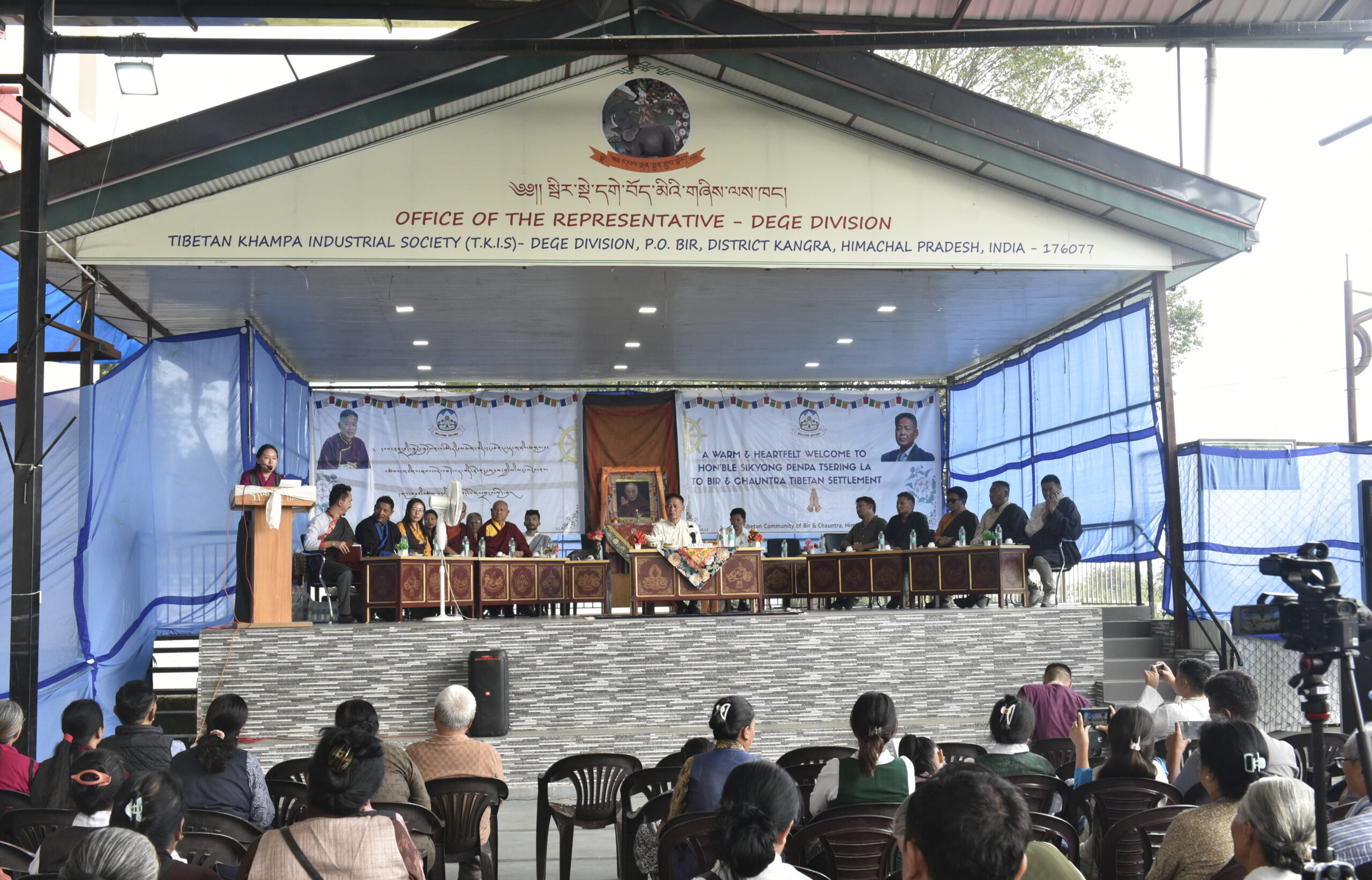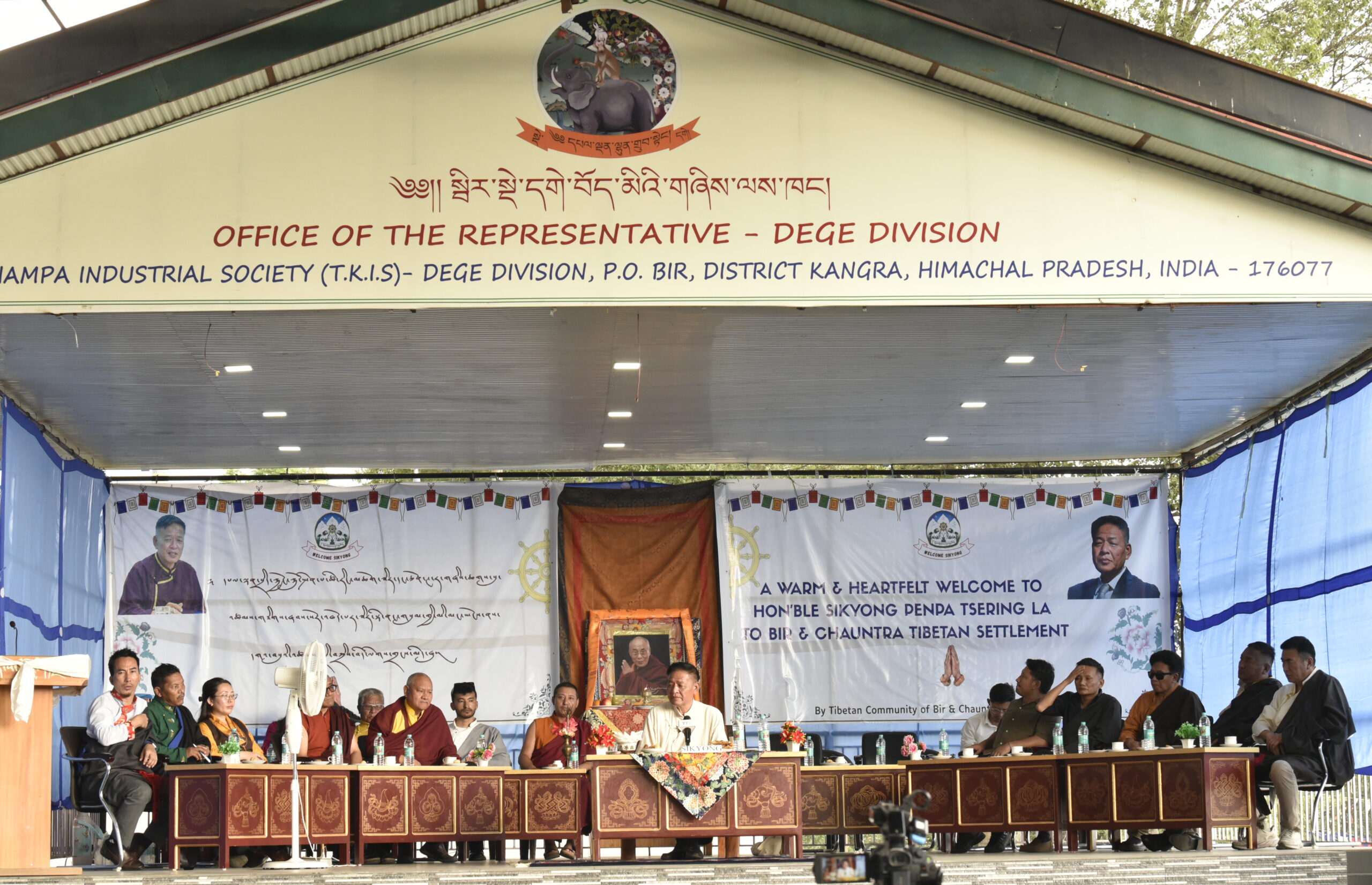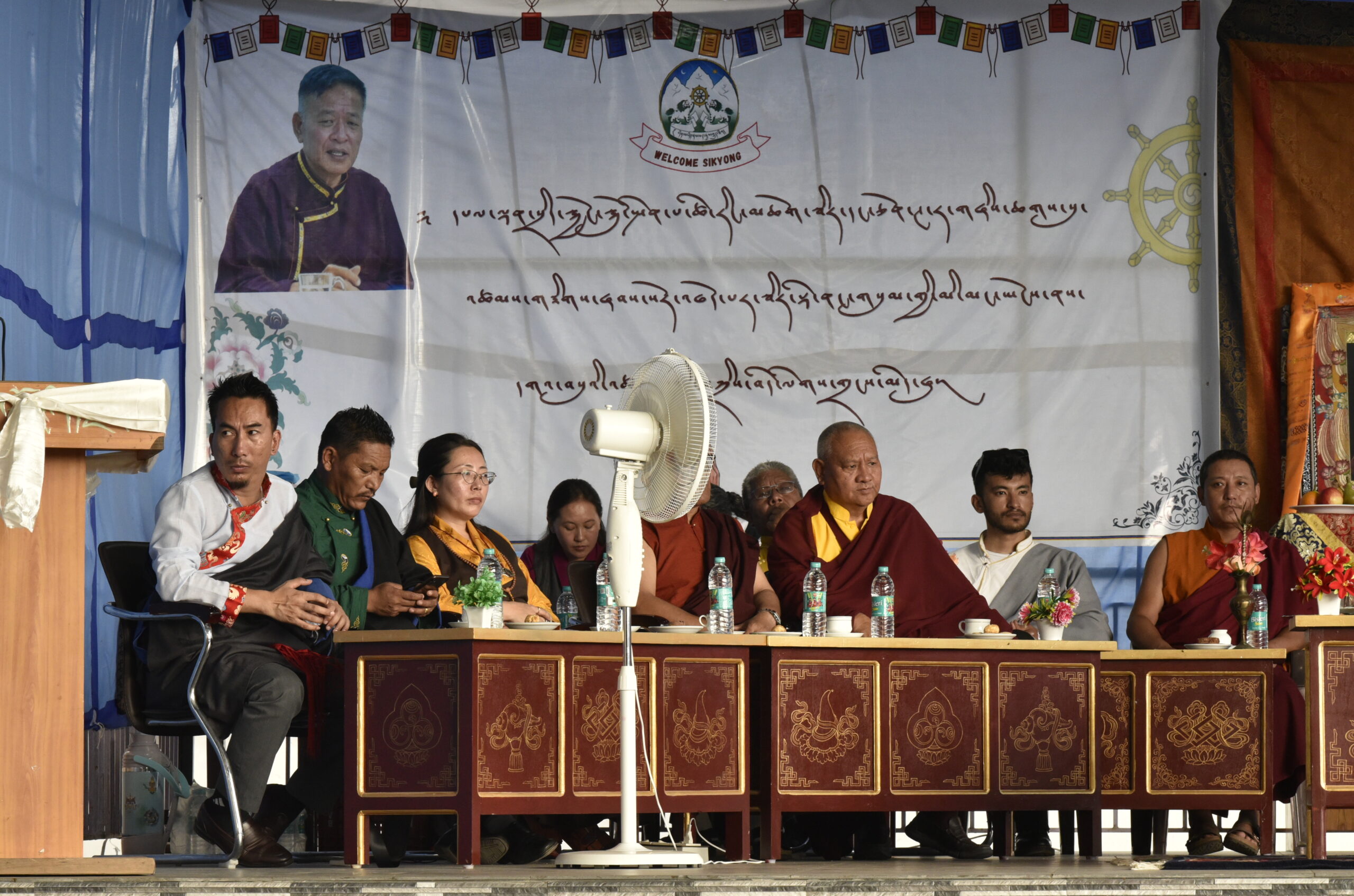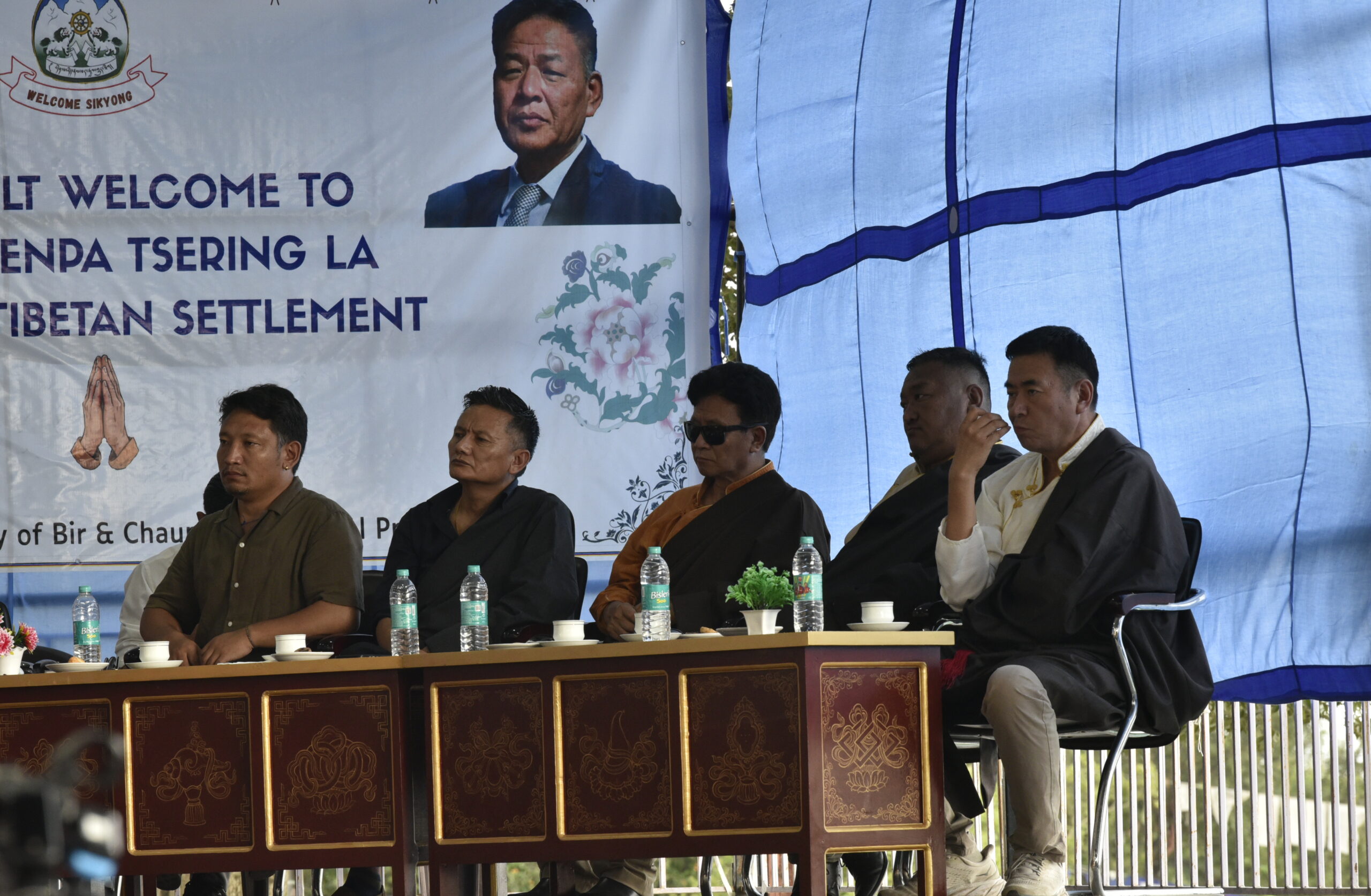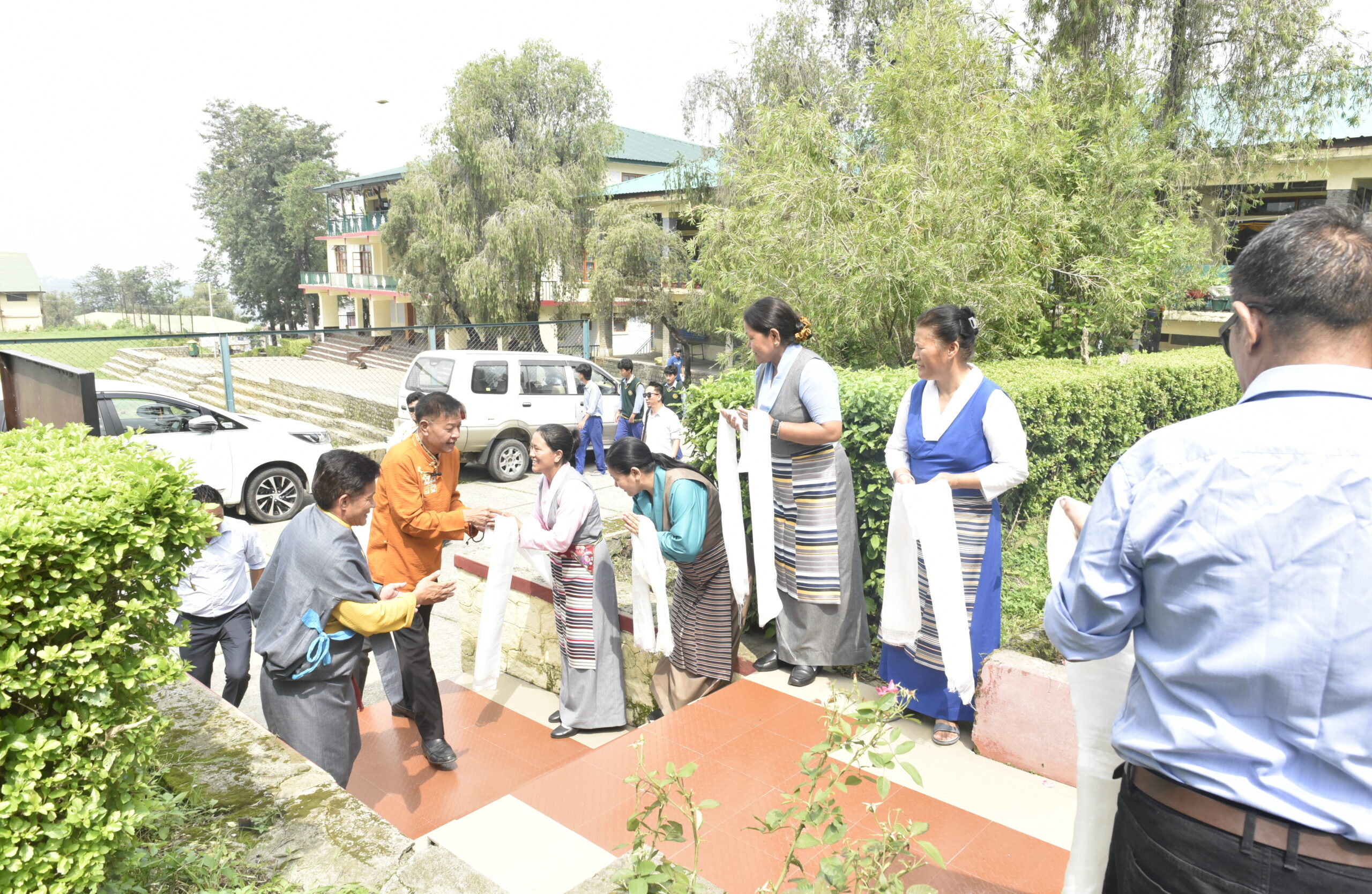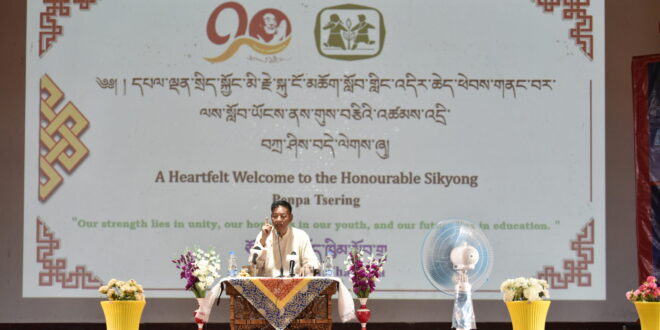
Bir: Sikyong Penpa Tsering commenced his official visit to the three Tibetan settlements in Bir and Chauntra with a warm reception led by Bir Tibetan Society (BTS) Officer Karma Namgyal, Bir Nangchen Tibetan Settlement Officer Samten Choephel, and Bir Dege Tibetan Settlement Officer Kunchok Lhamo.
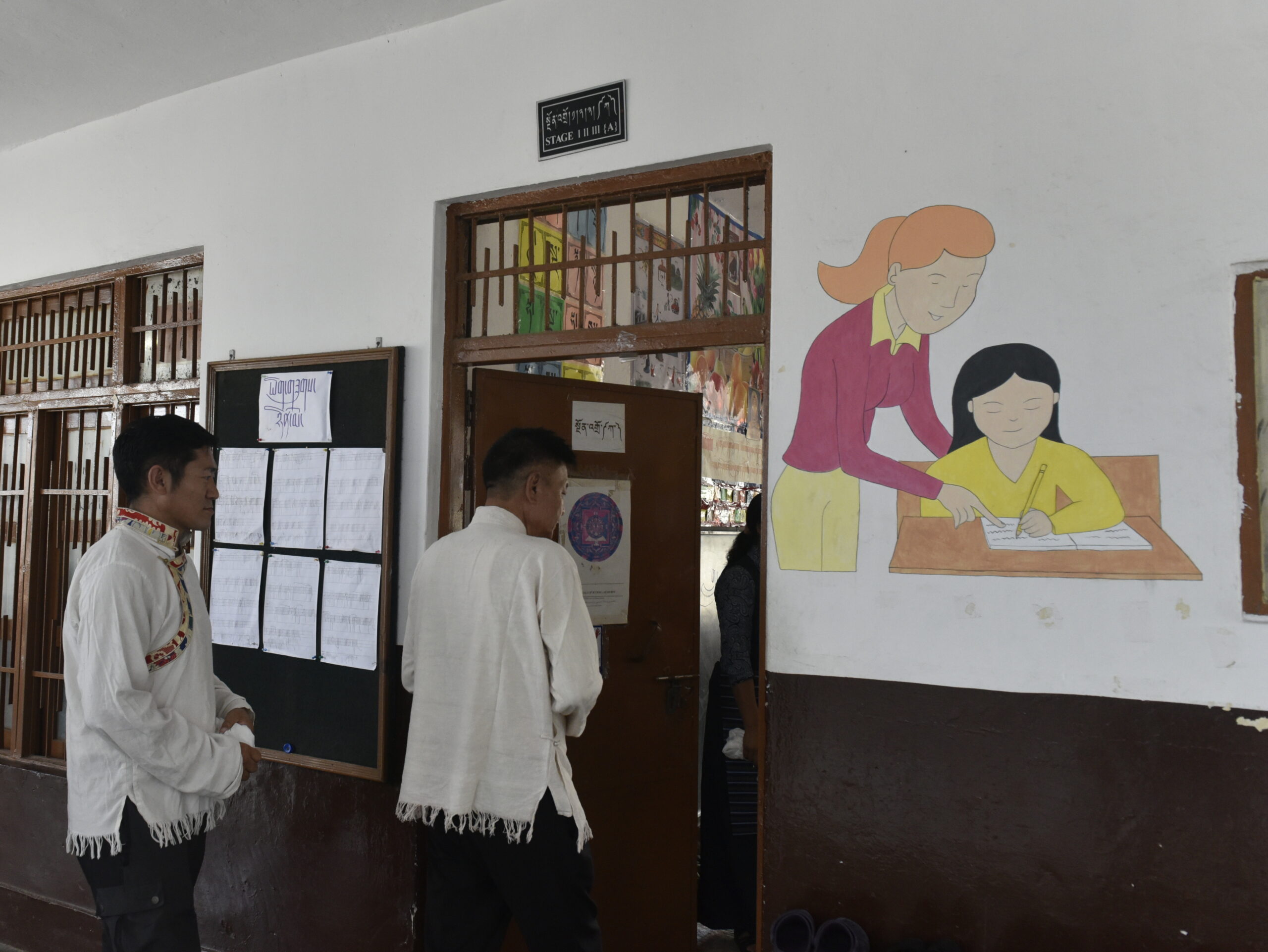
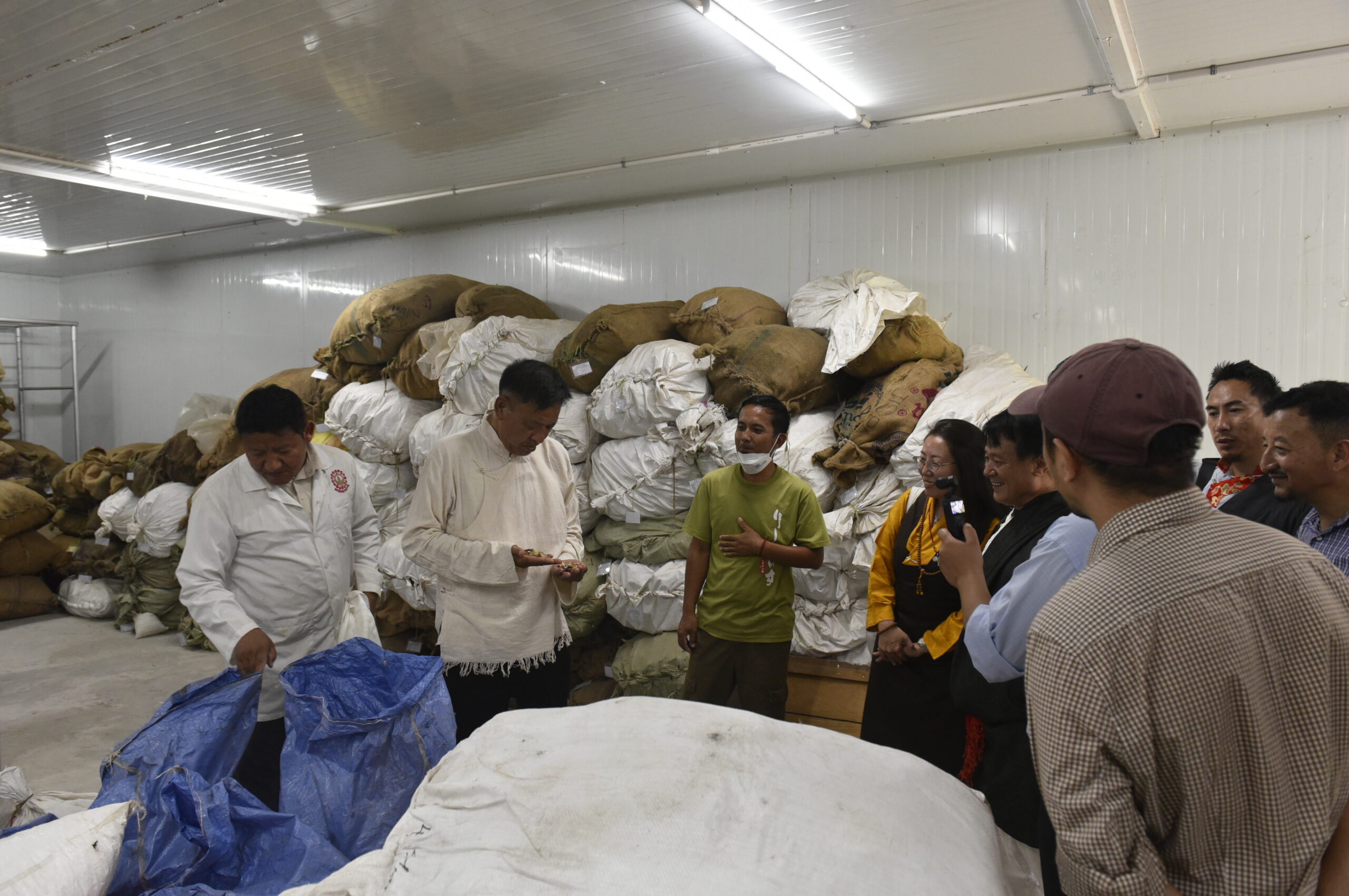
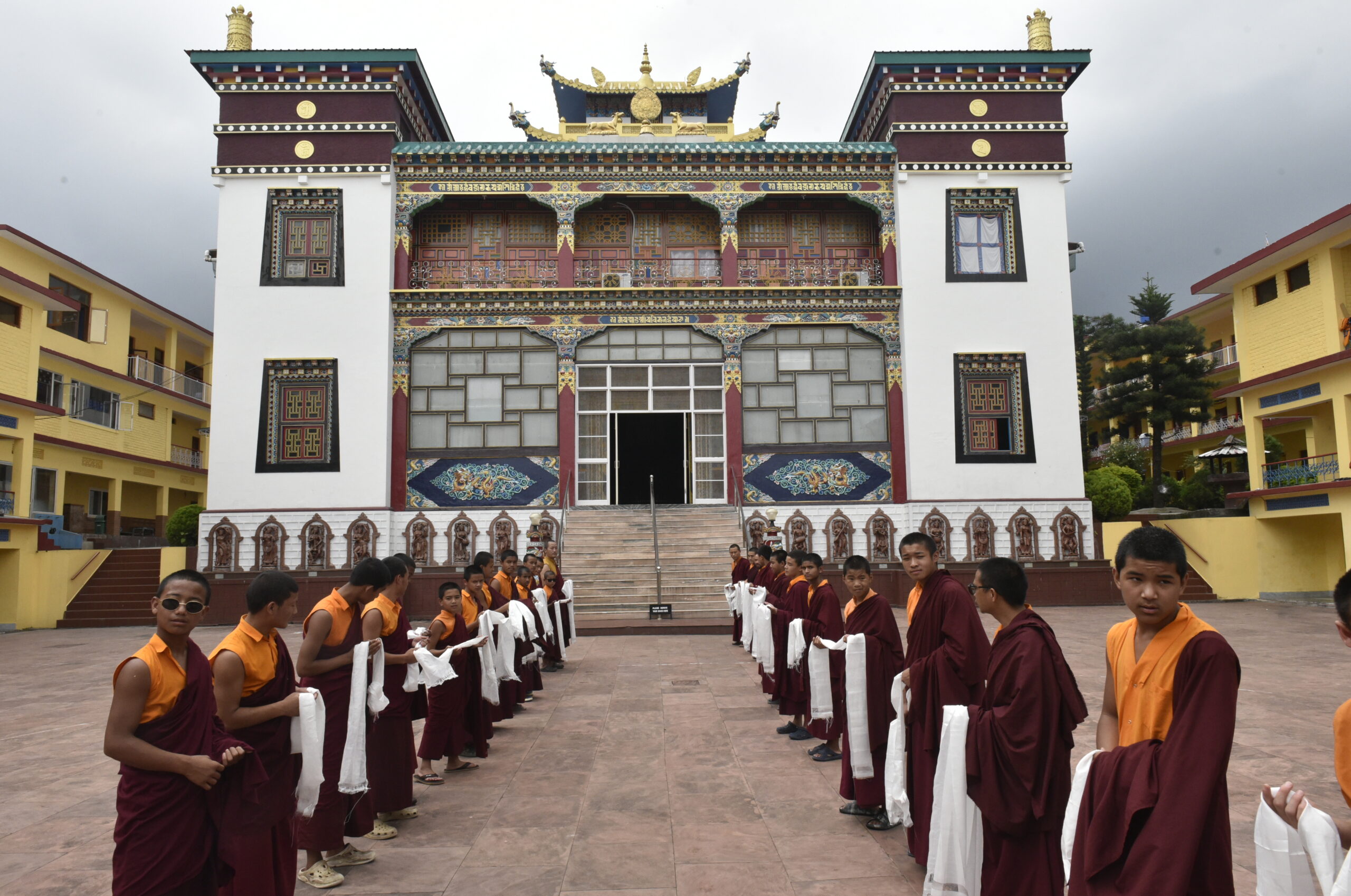
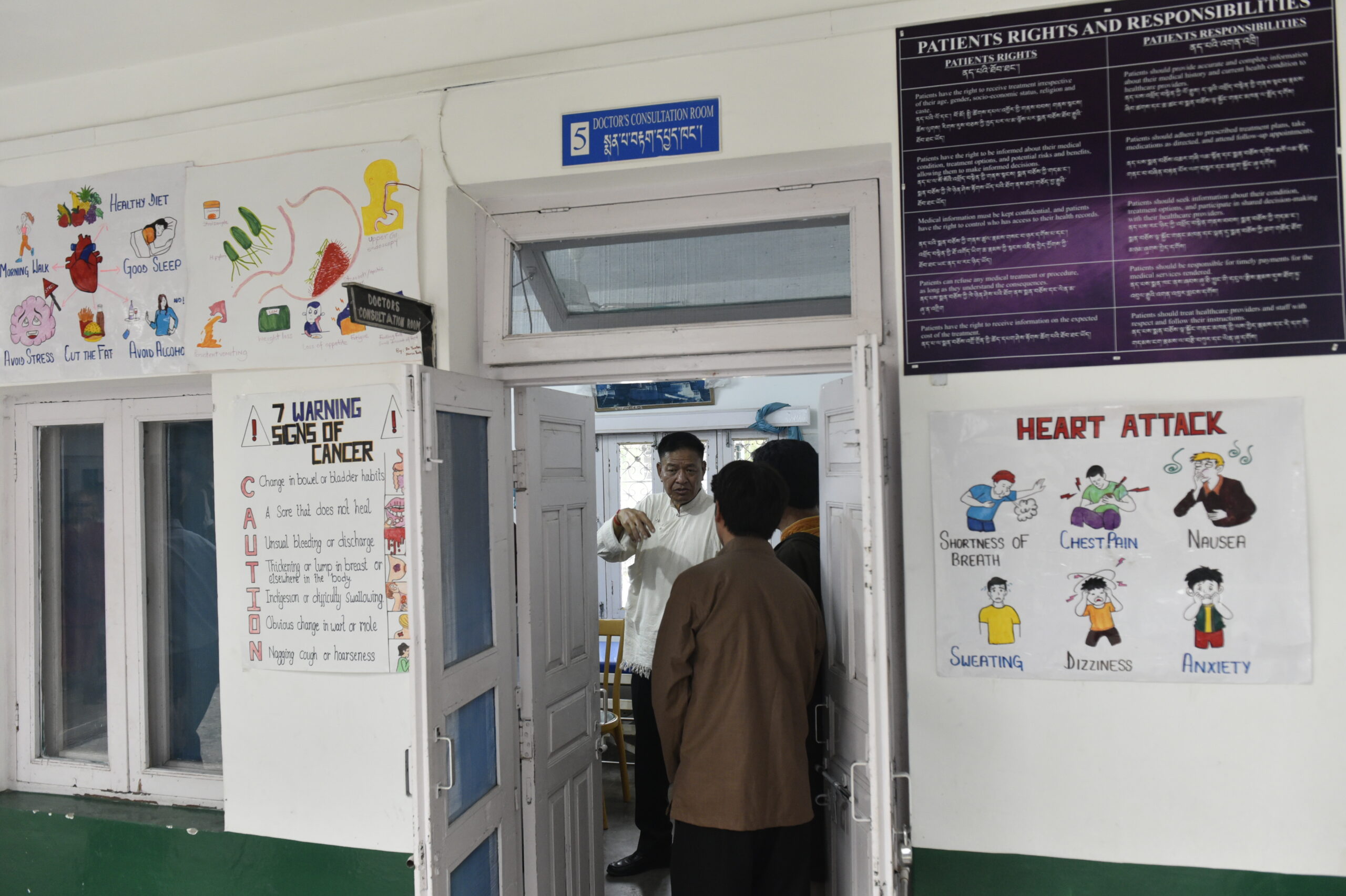
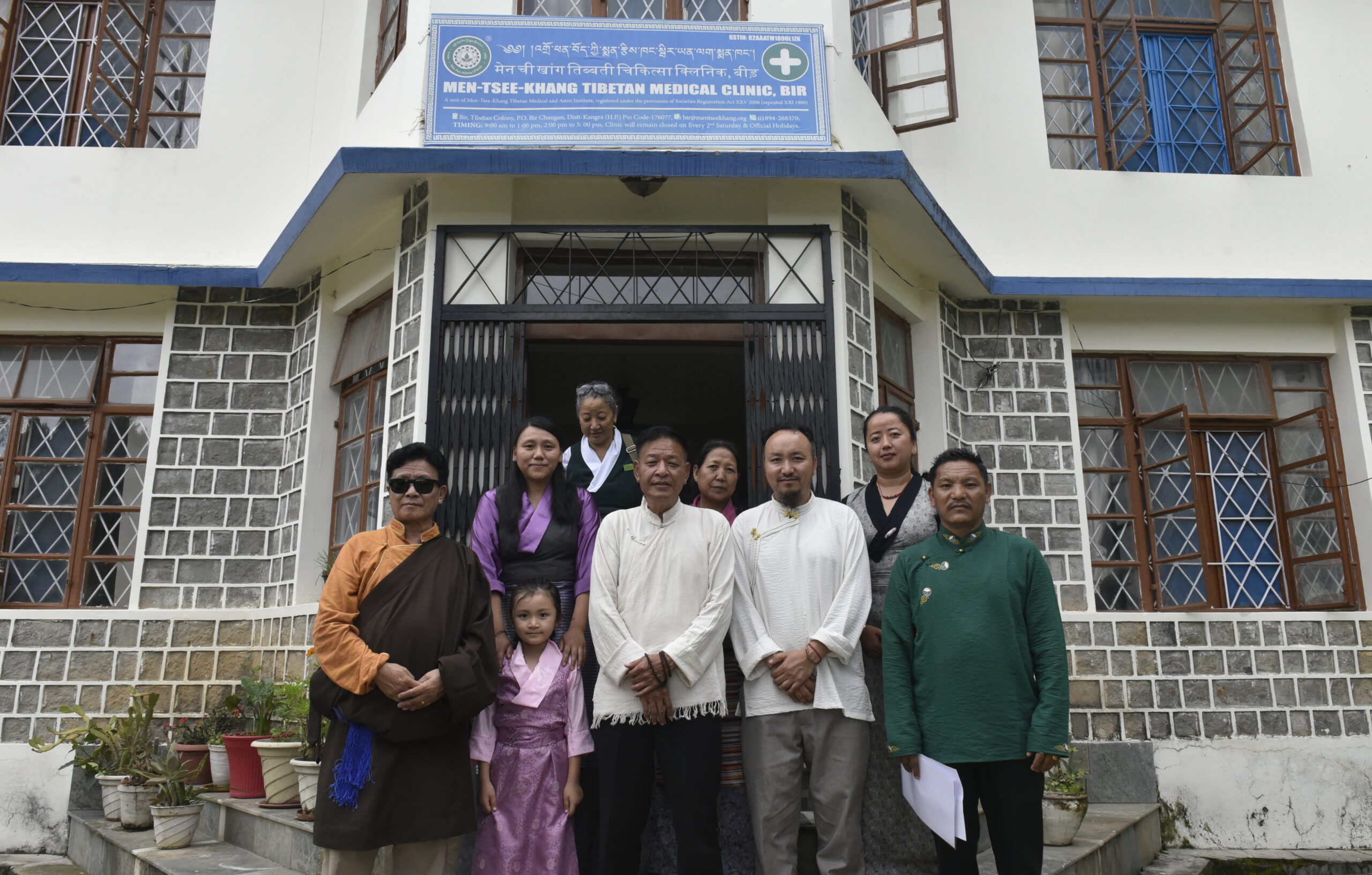
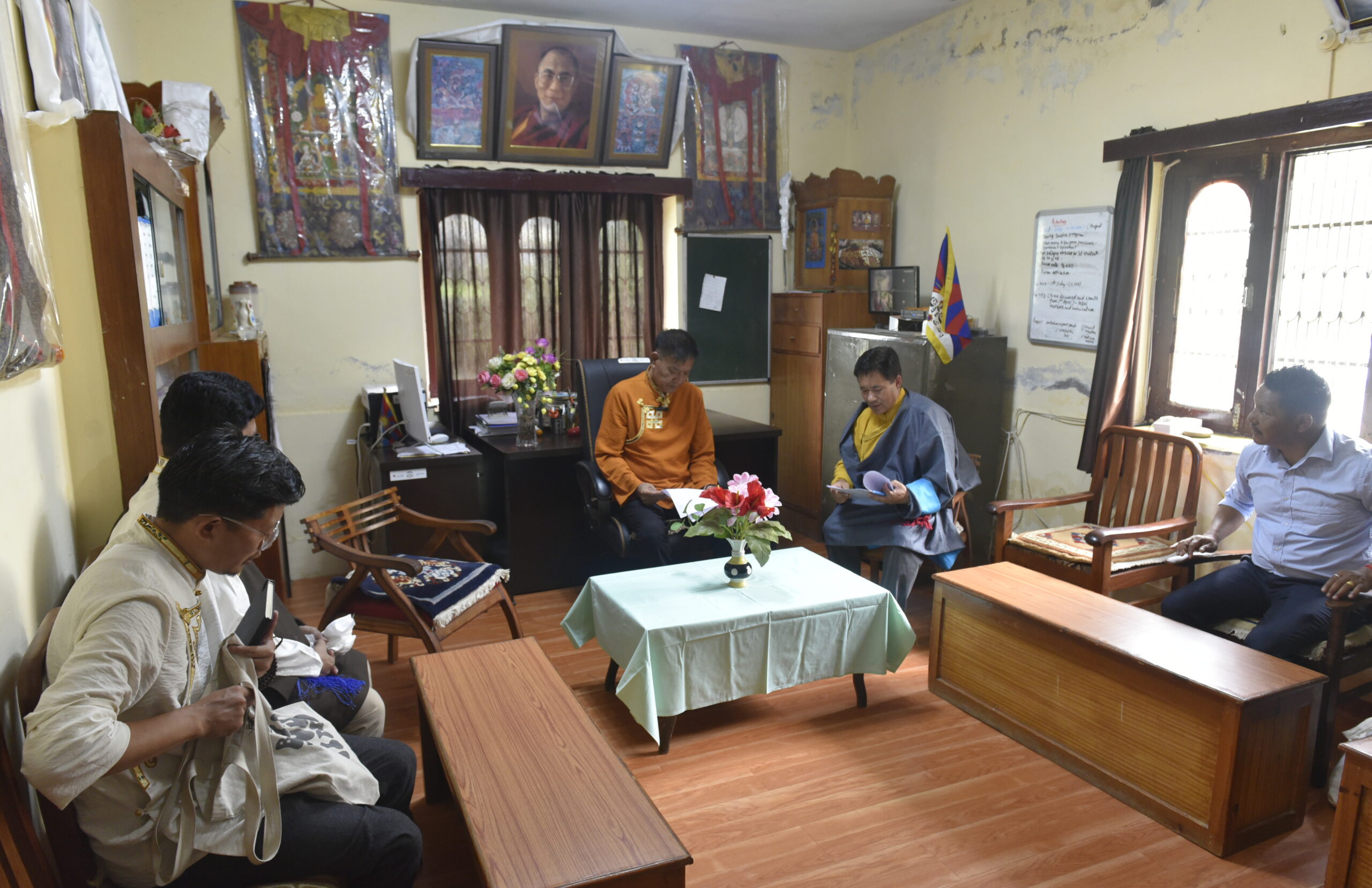
As part of his official engagements in Bir on 16 July, Sikyong Penpa Tsering visited the settlement office, clinic, Sambhota Tibetan School, Men-Tsee-Khang branch, Dhonden Old Age Home (OPH), Regional Tibetan Freedom Movement Office (BRDL), Local Tibetan Assembly Office, and various offices of Tibetan civil society organisations, educational institutions, and monasteries within the settlements.
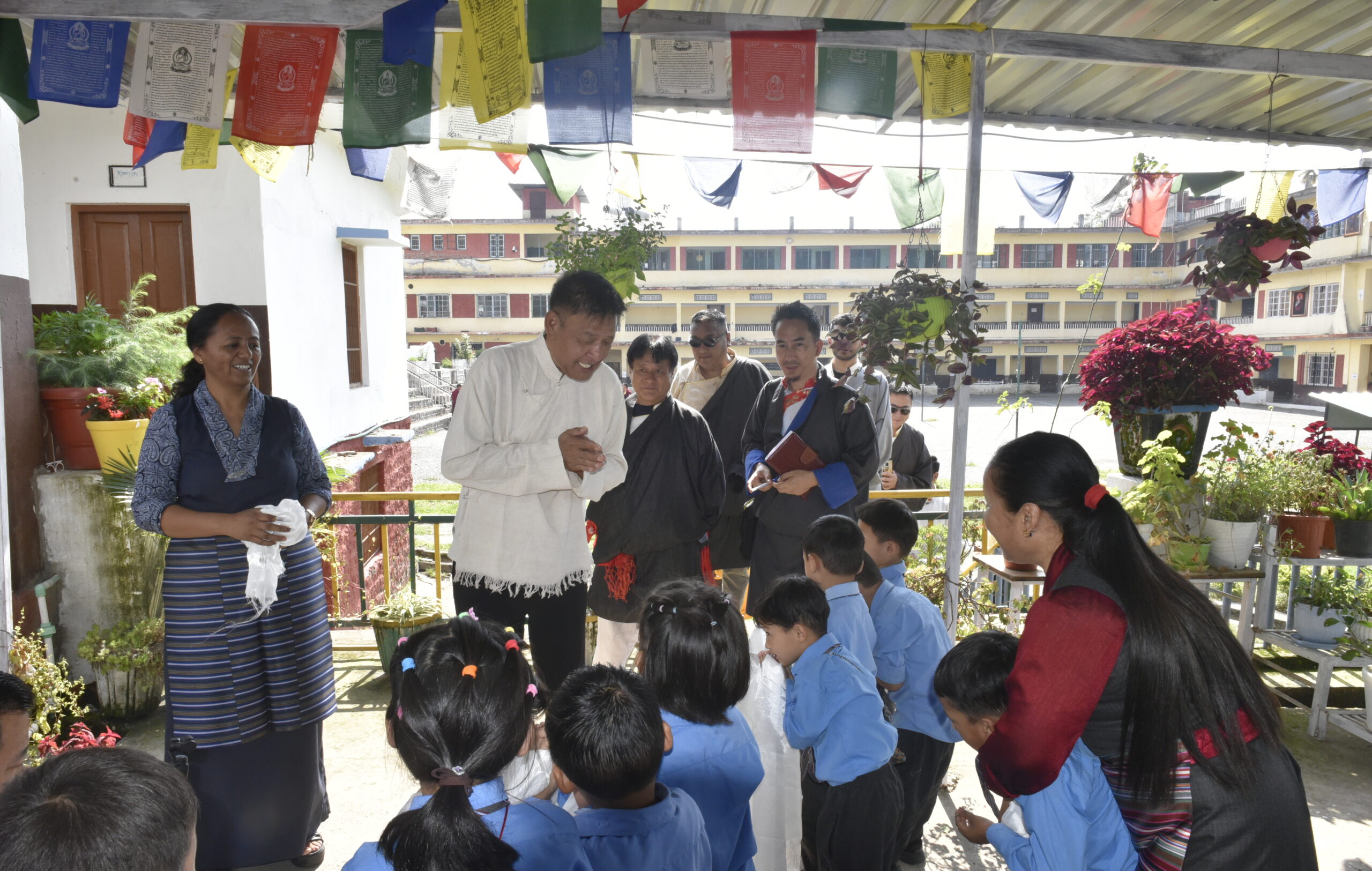
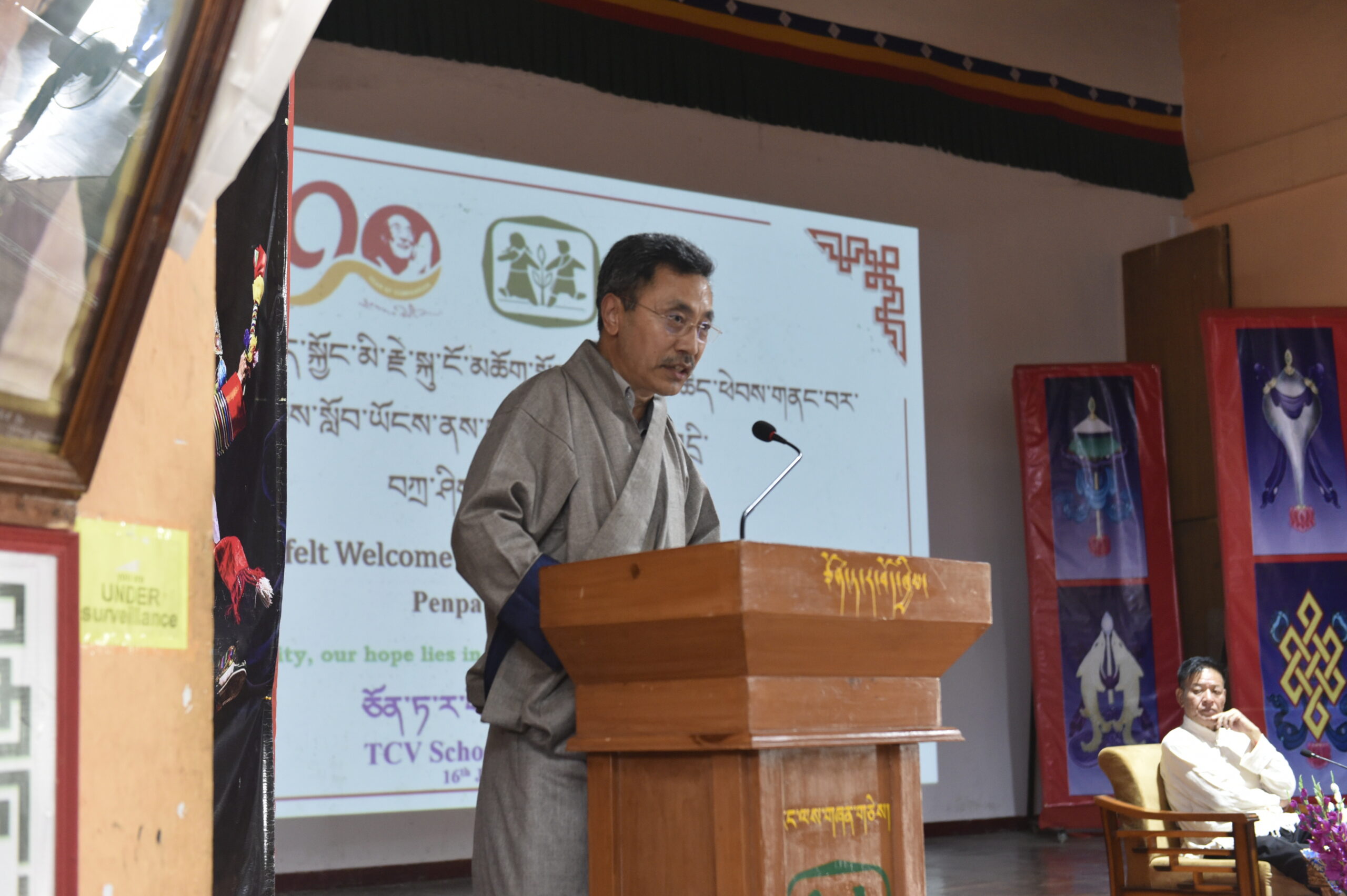
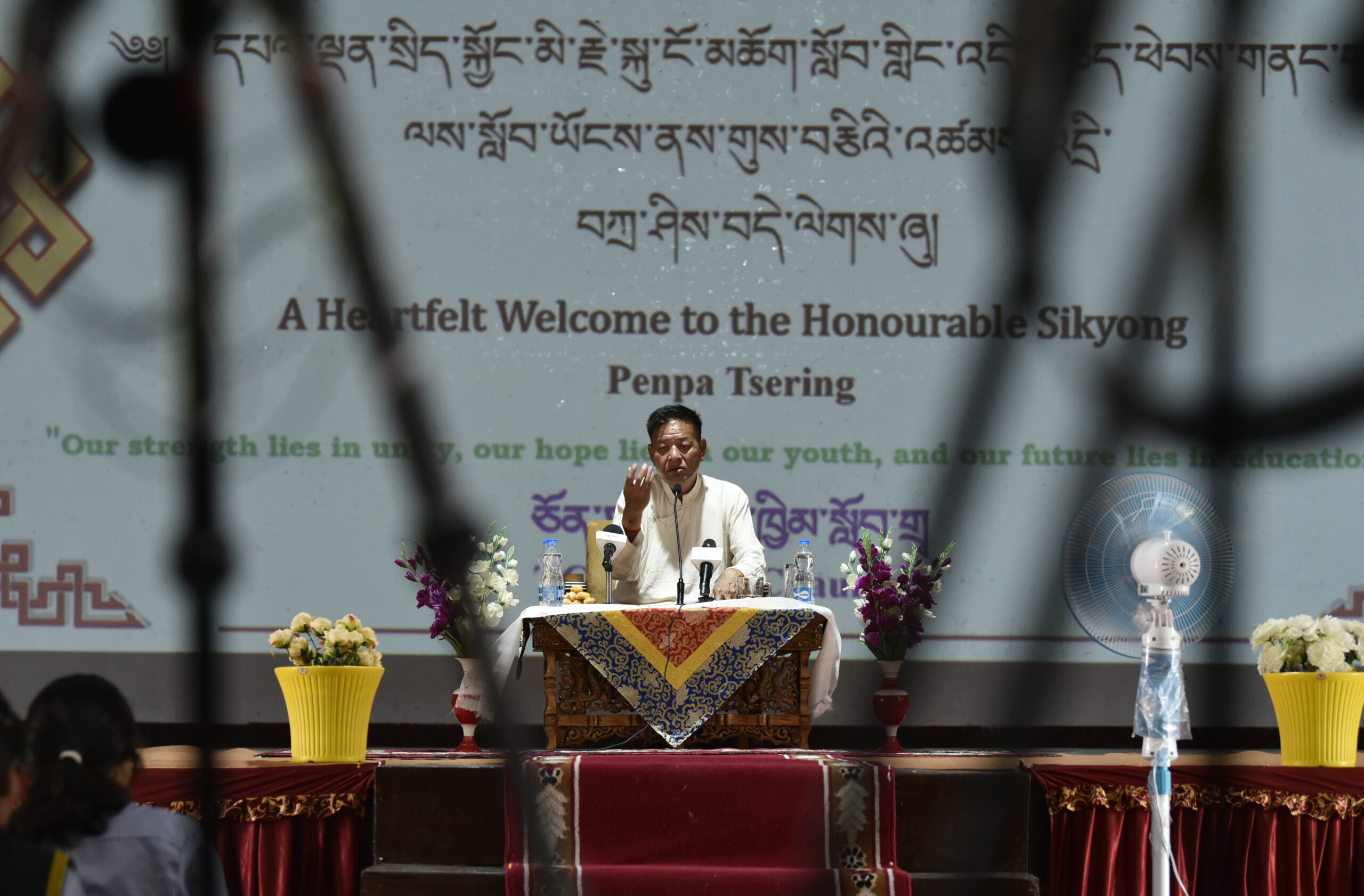
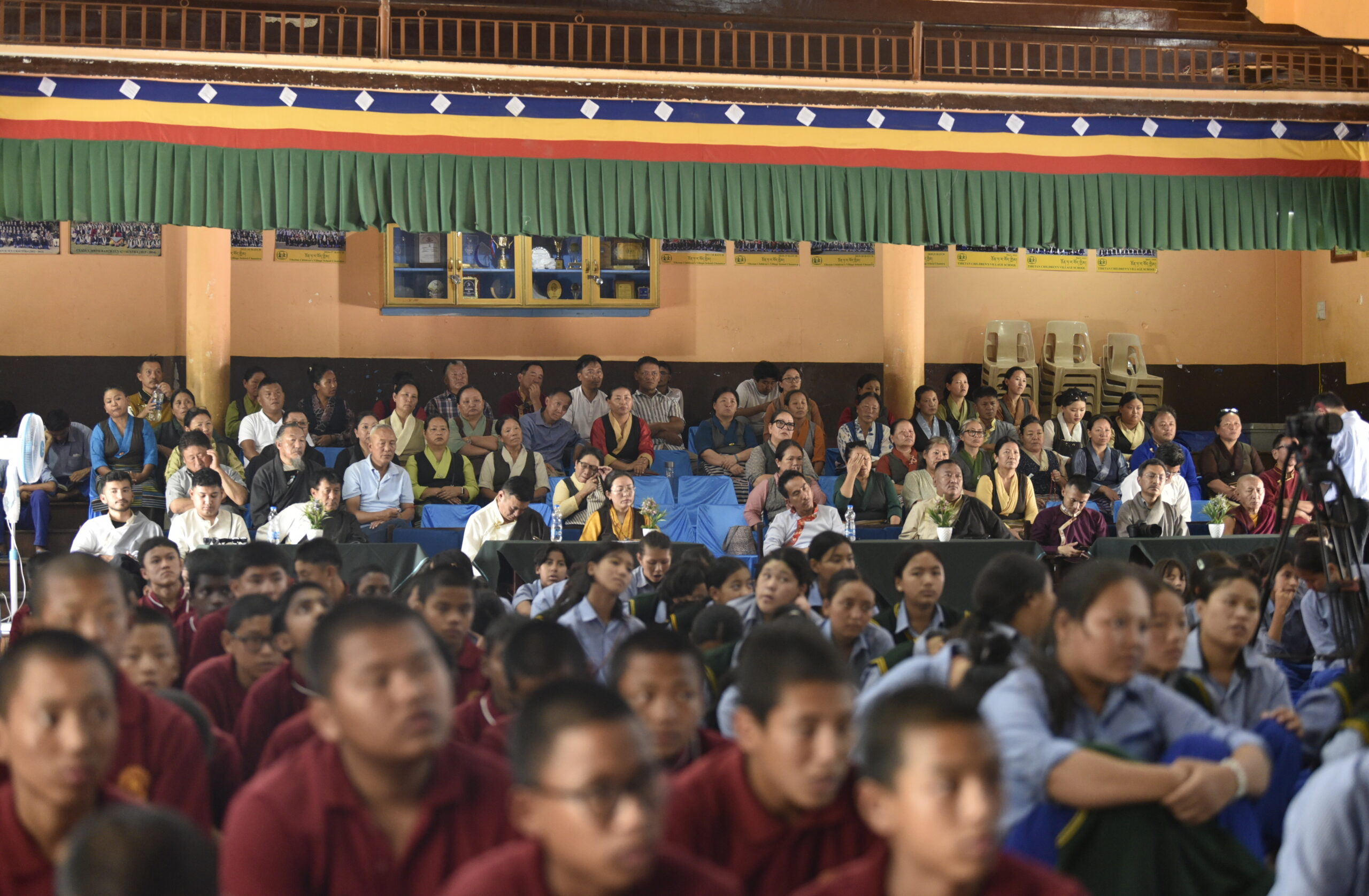
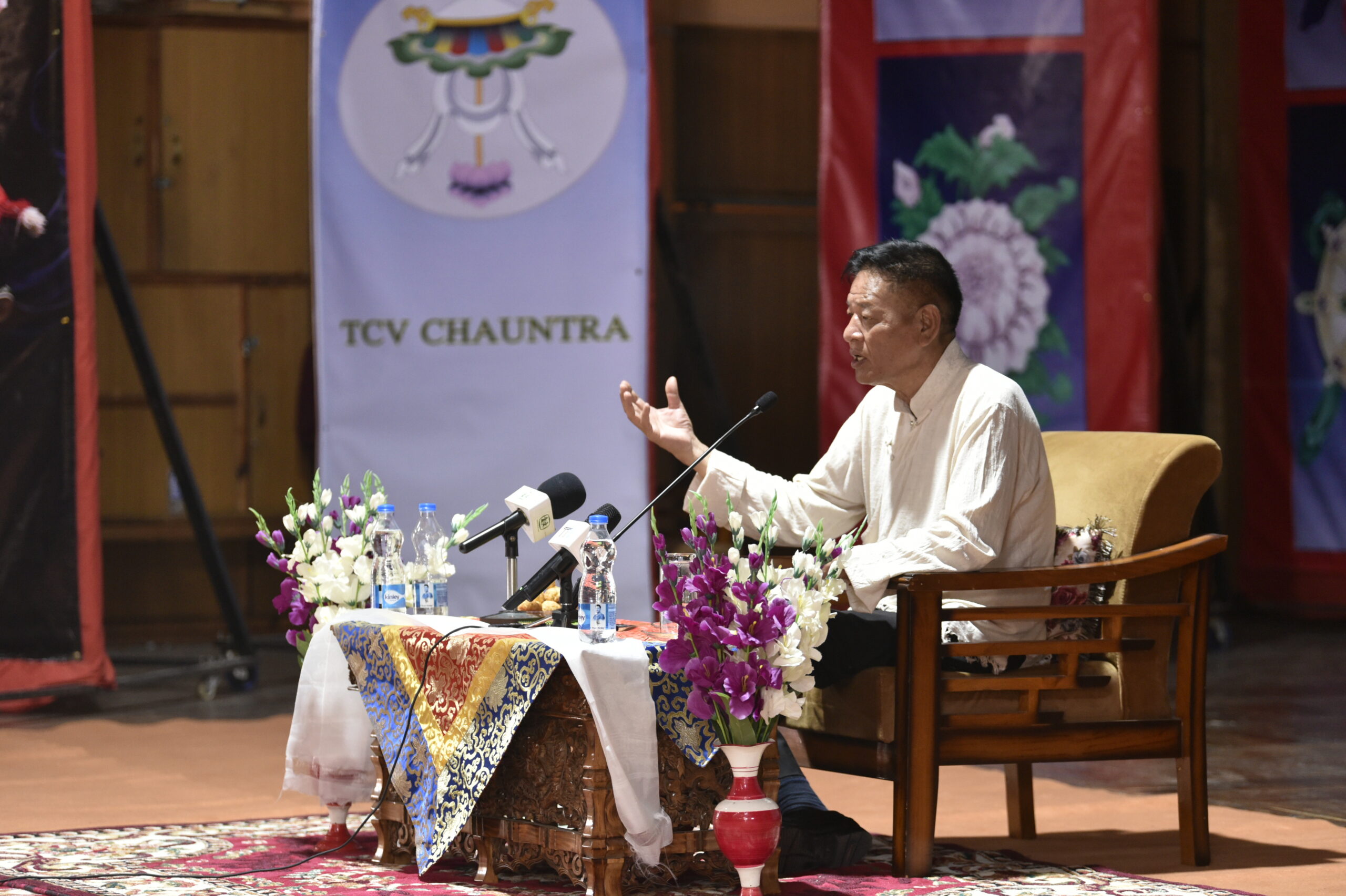
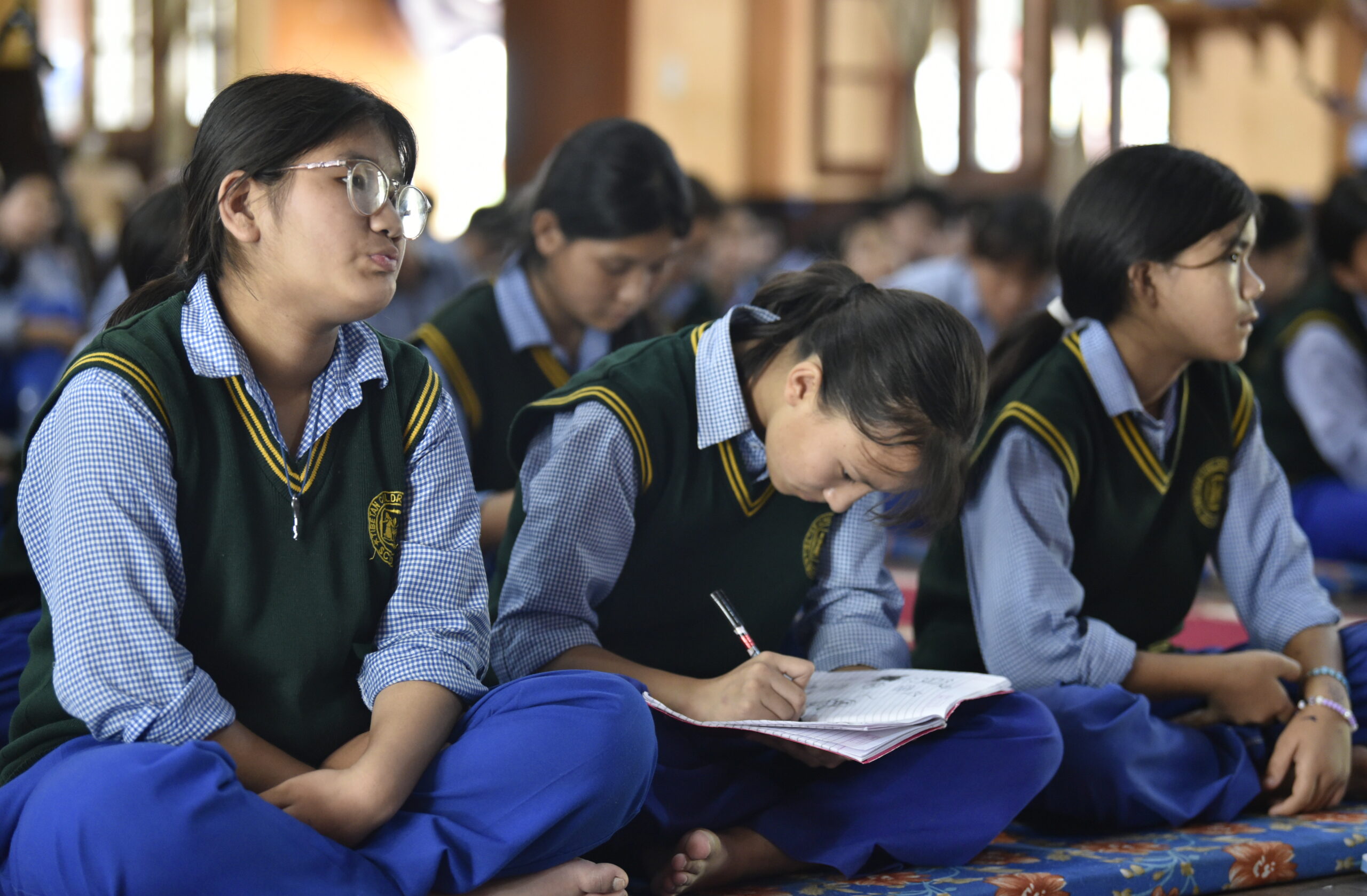
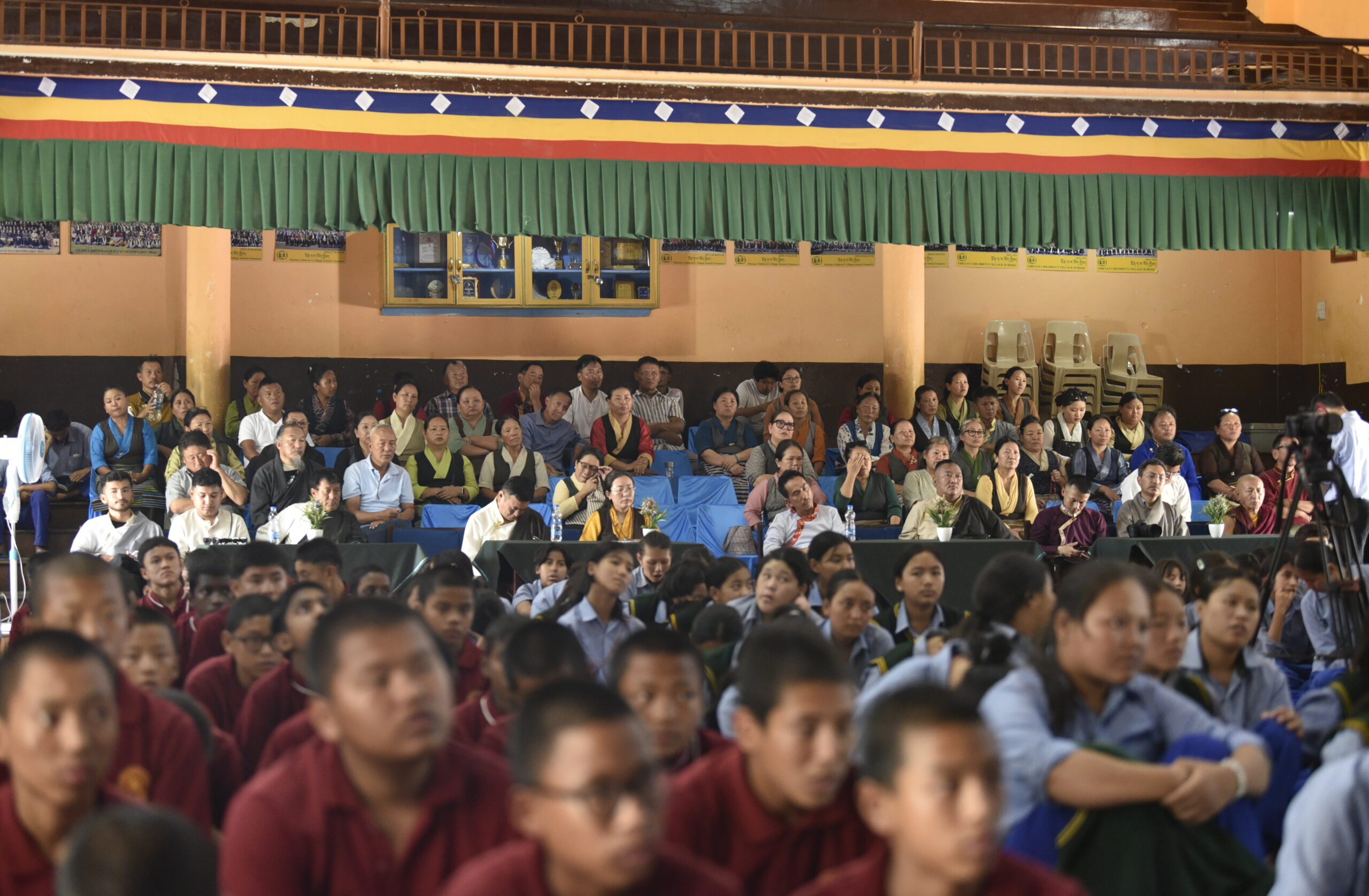
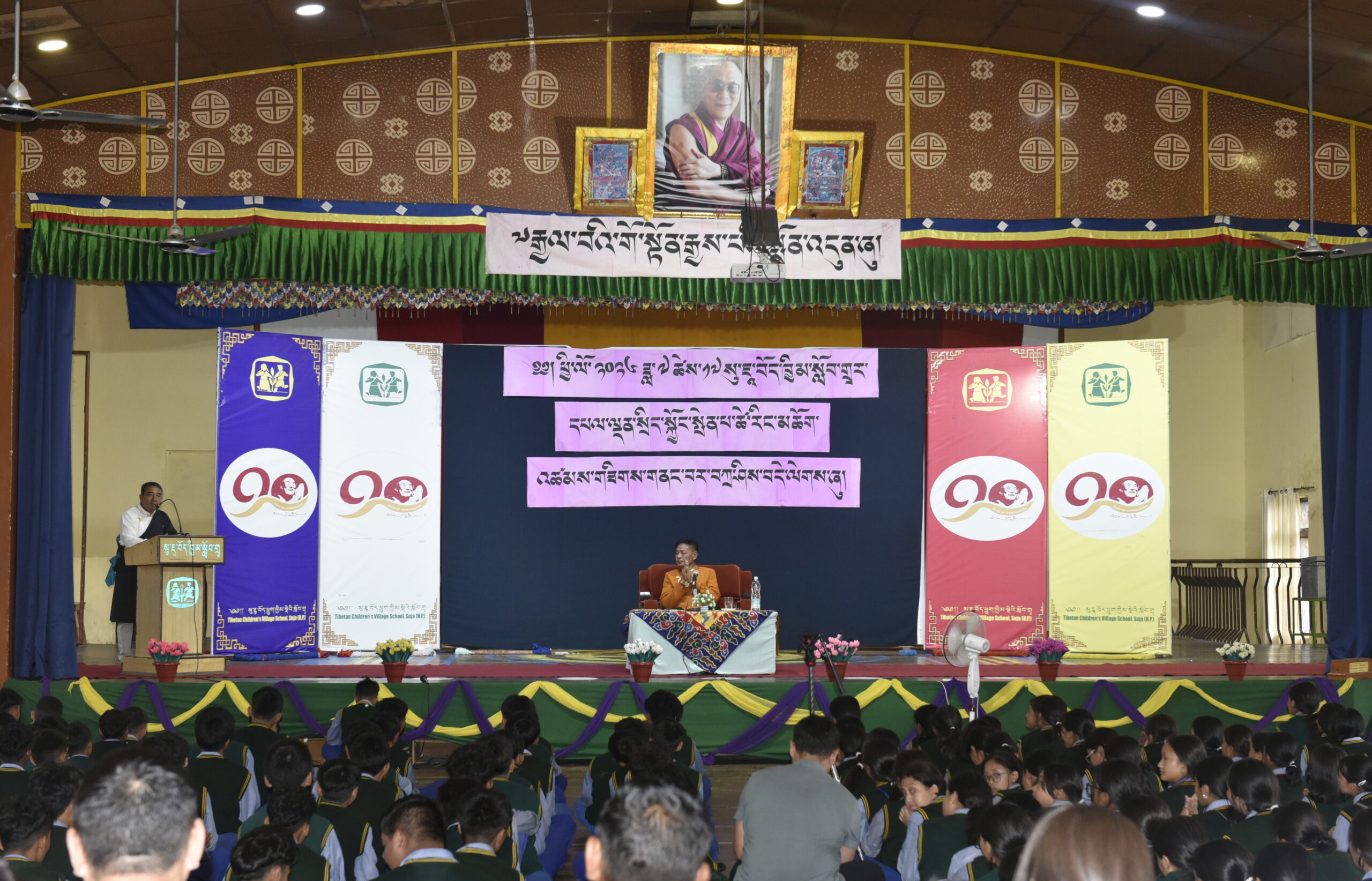
Later in the day, Sikyong visited Tibetan Children’s Village (TCV) Chauntra, where he was warmly welcomed by Principal Passang Tsering, staff members, and students.
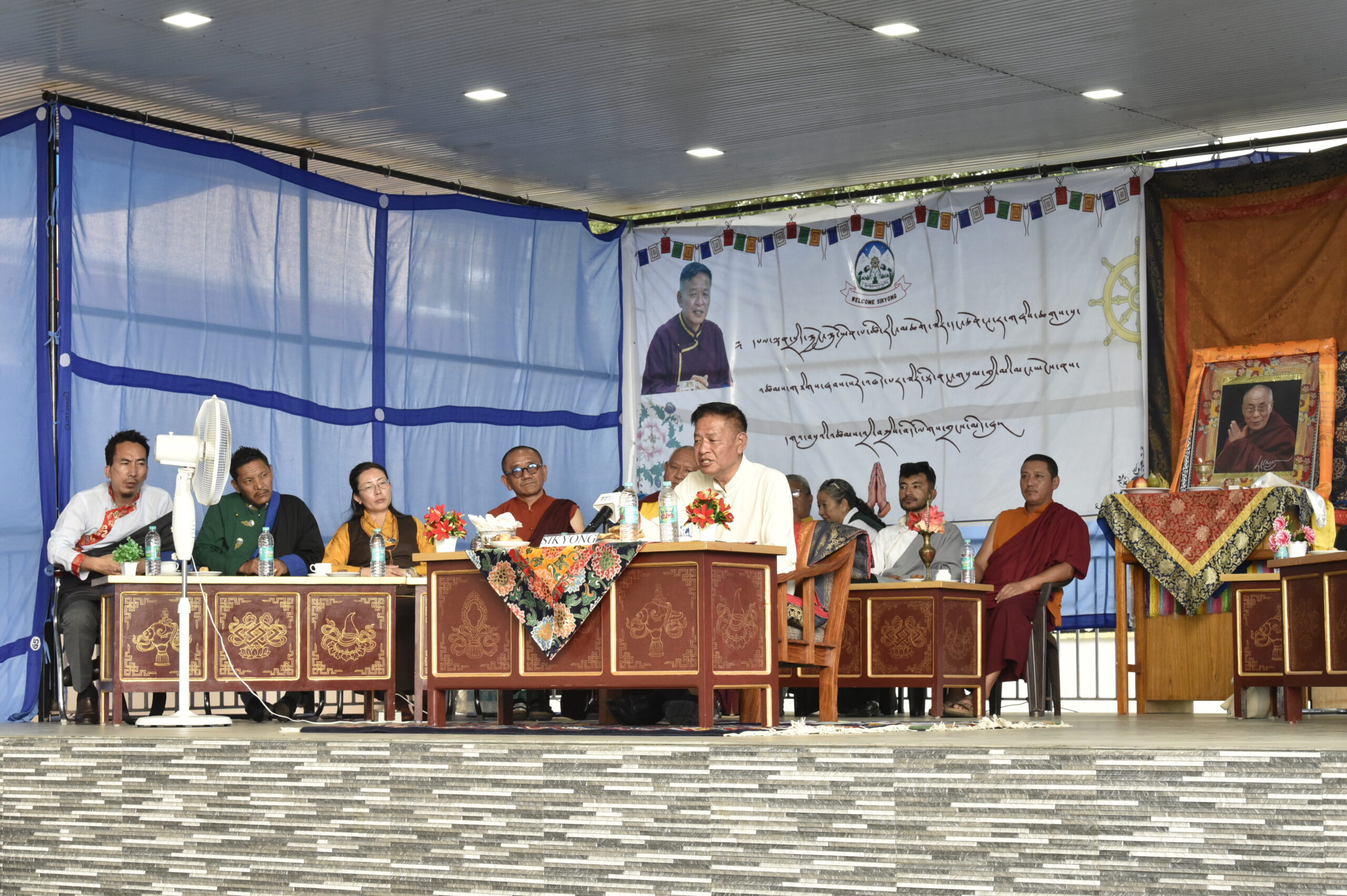
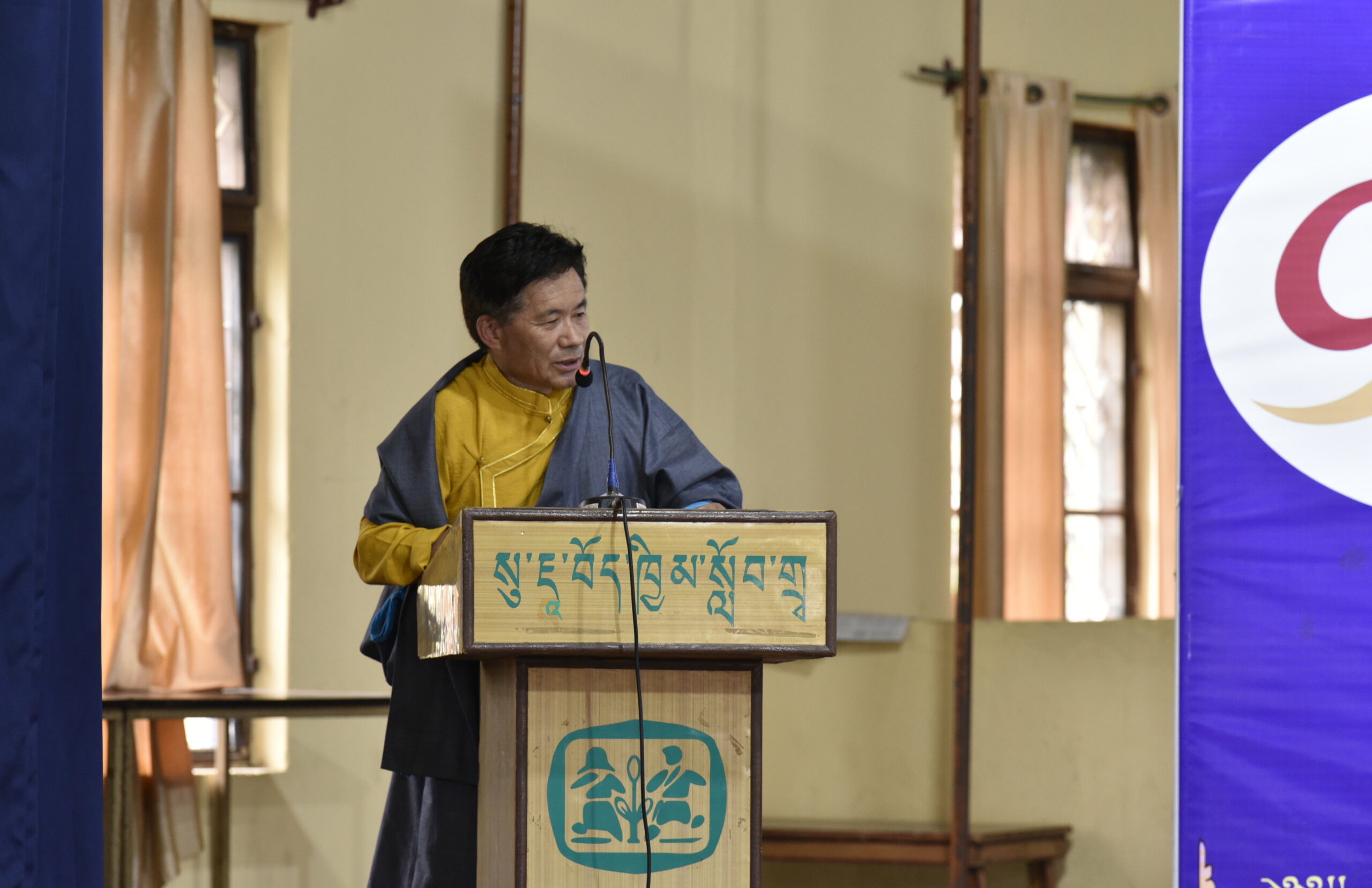
Addressing students in the school hall, Sikyong Penpa Tsering encouraged them to study Tibet’s ancient and contemporary history and develop a deeper understanding of how the Chinese Communist Party government has exploited Tibet’s rich natural resources and undermined its unique social and cultural fabric since its invasion of Tibet.
Sikyong also encouraged students to value the dedicated contributions of His Holiness the Dalai Lama and the older generations, whose tireless efforts during the formative years of exile in India laid the foundation for the educational and other opportunities Tibetans enjoy today.
Emphasising the vital role of the younger generation, Sikyong said, “The future of the Tibetan people and the Tibetan freedom struggle rests with the younger generation,” encouraging students to pursue their studies with dedication, equip themselves with the knowledge and skills necessary to serve the Tibetan community, and contribute to the Tibetan cause. He further stressed the importance of cultivating leadership qualities during their school years.
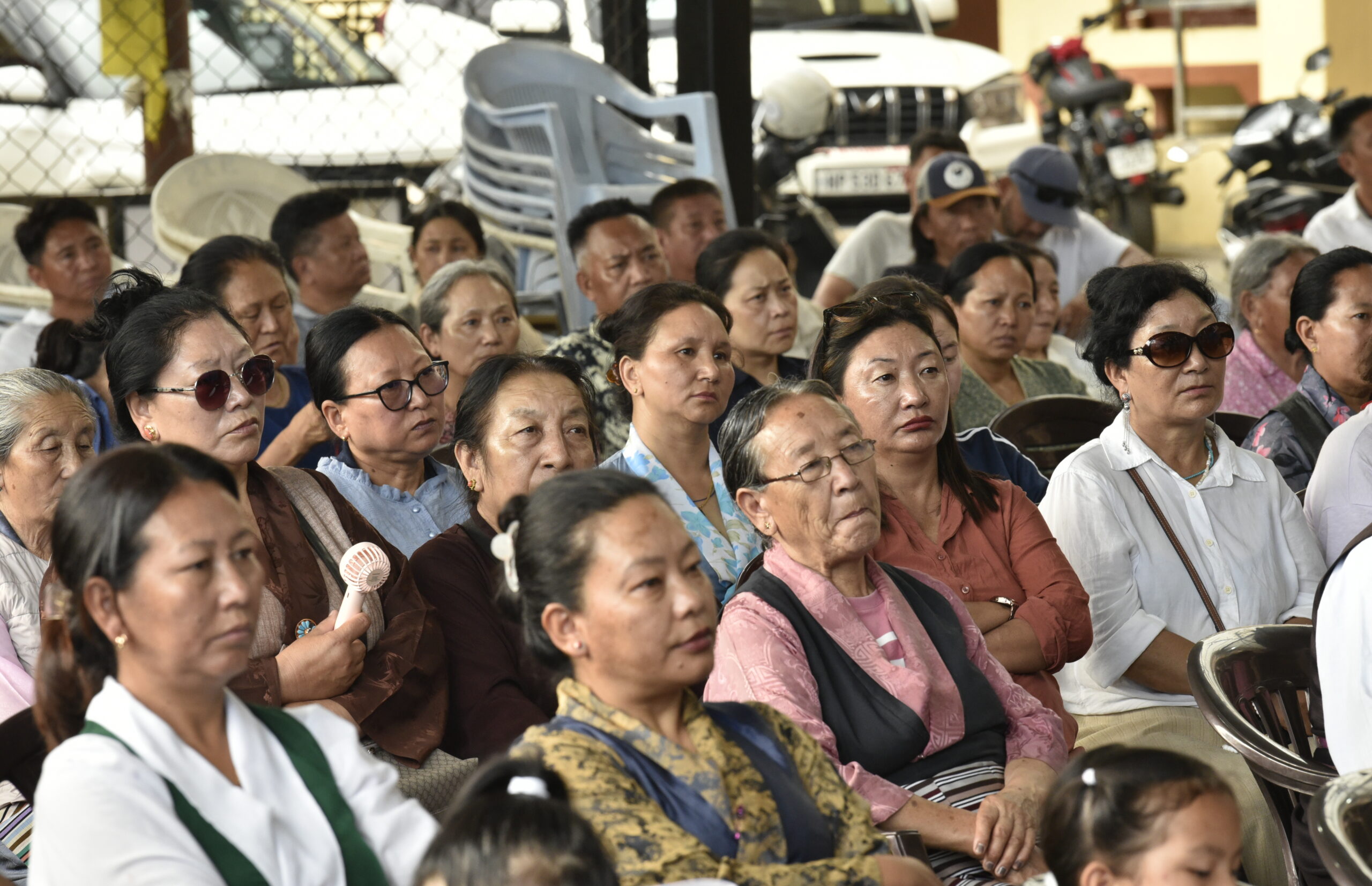
Addressing members of the three Tibetan settlements—Bir Dege, Bir Nangchen, and Bir Tibetan Settlement—Sikyong highlighted the declining enrolment of Tibetan students in Tibetan schools. Sikyong said he would raise the issue with the relevant authorities to discuss the challenges facing TCV Schools, Tibetan Homes Foundation, and Sambhota Tibetan Schools with the aim of finding a long-term solution. He attributed the decline primarily to increasing restrictions on Tibetans leaving Tibet, the low birth rate among Tibetans in exile, and the large-scale emigration of Tibetans to other countries. Citing recent census data, he noted that only around 400 Tibetan children are born each year in India and Nepal.
Highlighting the significance of the Tibetan democratic system introduced by His Holiness the Dalai Lama, Sikyong said that democracy rests on the collective will and decisions of the people. Sikyong called on Tibetans, especially the younger generation, to value and safeguard this unique democratic legacy by actively participating in and strengthening the institutions established in exile.
Through his engagements with students, institutional representatives, staff, abbots, and community members in Bir, Sikyong Penpa Tsering highlighted the importance of education, leadership, and community participation in sustaining the Tibetan cause.
On 17 July 2026, Sikyong Penpa Tsering continued assessment visit to Tibetan Children’s Village School Suja and address to staff and students of the school at school hall. Upon his arrival, he was warmly welcome by school headmaster Nyima Tsering, staff and students.
Addressing the gathering, he expressed concern over the growing challenges facing the preservation of Tibetan language and culture inside Tibet, particularly under the People’s Republic of China’s policies promoting “Ethnic Unity and Progress.” While the policy is presented as fostering national unity, he said its implementation has resulted in increasing restrictions on the use of the Tibetan language, cultural expression, and religious practices. He added that similar assimilation policies have also affected other communities under Chinese rule, including the Uyghurs and Southern Mongolians, raising broader concerns over the preservation of distinct linguistic and cultural identities.
He outlined the CTA’s efforts in promoting education, culture, religion, and community welfare, alongside strengthening democratic governance among Tibetans in exile. He further elaborated on the work carried out by the Offices of Tibet across different countries in engaging with governments, parliamentarians, international organisations, media, and Tibet support groups to raise awareness of the Tibetan issue, advocate for the protection of the rights of the Tibetan people, and foster international support for Tibet.
Addressing the students, Sikyong underscored that academic excellence alone is insufficient without strong character. He encouraged them to cultivate discipline, honesty, respect for others, and a sense of responsibility in their daily lives. Urging the students to make the best use of the educational opportunities available to them, he reminded them that they would become future contributors to both the Tibetan community and the wider world.
Throughout the visit, Sikyong Penpa Tsering was accompanied by Bir Tibetan Society Officer Karma Namgyal, Bir Nangchen Tibetan Settlement Officer Samten Choephel, and Bir Dege Tibetan Settlement Officer Kunchok Lhamo.